How To Travel With A Lost Mary Tappo Without Leakage
Travelling with a Lost Mary Tappo can be straightforward when the device, pods and charging equipment are prepared before leaving home. Leakage usually occurs when a pod is damaged, exposed to pressure or heat, stored incorrectly, or used immediately after a major temperature change.
Australian travel adds a few practical considerations. Domestic flights between Sydney, Melbourne, Brisbane, Perth and other cities involve airport security rules, while international trips also bring customs and border requirements. Vaping products containing nicotine are regulated in Australia, so travellers should check current guidance from the Therapeutic Goods Administration, Australian Border Force and their airline before departure.
The safest approach is to keep the Tappo upright, protect spare pods from impact, and carry the battery device in cabin baggage rather than checked luggage. A small amount of preparation helps protect clothing and electronics while keeping the device compliant with transport requirements.
Choose The Right Tappo Setup
Start by checking the condition of the Tappo battery and pod. The pod should sit firmly in place, with no visible cracks, loose mouthpiece or moisture around the connection points. If the pod appears swollen, damaged or unusually wet, replace it before travelling rather than trying to seal it with tape.
Choose a flavour and nicotine strength that suit the length of the journey, but avoid carrying more pods than you can store safely. The range of available capacities can vary by product and market, so checking the Tappo pod capacities before packing can help you select a practical number of sealed replacements.
Use a genuine, compatible Lost Mary Tappo pod. Mixing components from unrelated devices may cause a poor seal or unreliable connection, increasing the chance of condensation and leaking inside a travel bag.
Prepare Pods Before Leaving
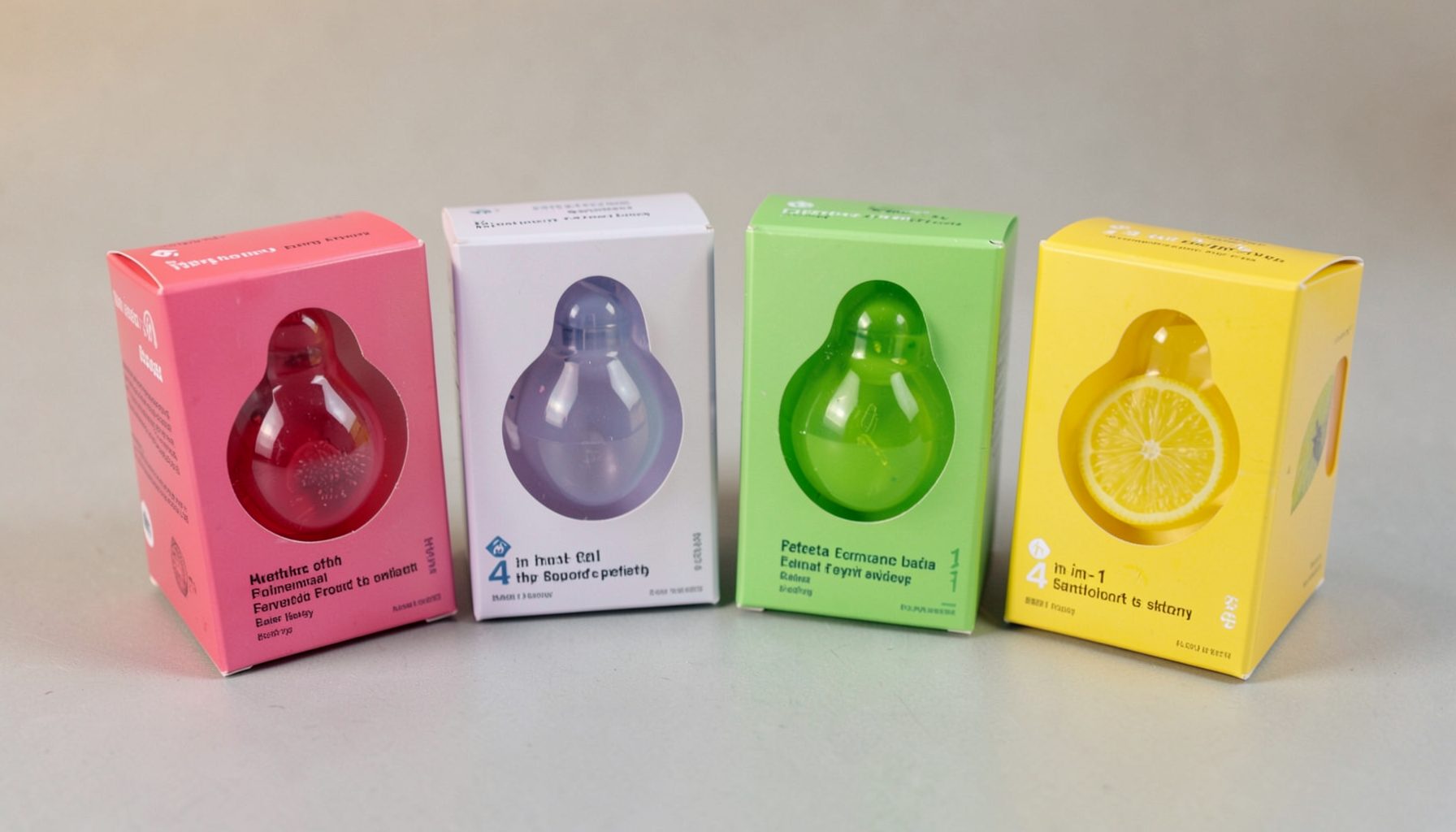
Keep a pod sealed in its original packaging until it is needed. The packaging provides a useful barrier against dust, pressure changes and accidental contact with other items. Store spare pods in a small zip pouch, preferably inside a firm toiletry case rather than loose in a backpack.
If a pod has already been opened, wipe the outside with a dry tissue and inspect the mouthpiece before packing it. Do not fill a compartment with paper, cotton or other materials that could enter the airflow path. Absorbent material may hide a leak without stopping it.
Before leaving for the airport, take a few draws from the Tappo at home and check for gurgling, flooding or liquid around the mouthpiece. A clear, dry mouthpiece is a better sign than one that feels wet or produces a bubbling sound.
Pack The Device For Australian Flights
The Tappo should generally travel in carry-on baggage, where lithium battery devices can be monitored and accessed. Do not place it in checked luggage unless the relevant airline and aviation rules specifically allow it. Spare batteries, if applicable to the model, should be protected from short circuits and kept in cabin baggage.
The device must remain switched off or inactive while packed. Keep it in a separate pouch so keys, coins, power banks and cables cannot press against the firing area or damage the pod. Although a Tappo is compact, placing it loose in a crowded laptop bag can put unnecessary pressure on the mouthpiece.
Airport security procedures can differ between domestic and international terminals. A traveller departing from Melbourne Airport may have a different screening experience from someone connecting through Perth or flying overseas from Sydney. For broader guidance on batteries, cabin baggage and airline restrictions, review this airline travel guide before departure.
Prevent Pressure And Temperature Leaks
Air pressure changes during a flight can affect the air space inside a pod. This does not guarantee a leak, but a pod that is already overfilled, warm or poorly sealed may release liquid through the airflow channel when the aircraft climbs or descends.
Keep the Tappo upright throughout the journey, with the mouthpiece facing upwards. A rigid pocket in a cabin bag is safer than the bottom of a soft backpack. Do not leave the device in a parked car at an Australian beach, roadside stop or airport car park, where summer temperatures can rise quickly.
Avoid storing the Tappo next to a heater, in direct sunlight or against a cold drinks bottle. Sudden changes from a hot Queensland afternoon to strong aircraft air conditioning can create condensation. Let the device return gradually to room temperature before using it after arrival.
Use The Tappo Carefully In Transit
Vaping is prohibited on commercial flights, and the device should remain stored from boarding until you have left the aircraft and reached a permitted location. Airline lounges, airport terminals and public transport areas may have their own restrictions. Follow signs and staff instructions rather than assuming an outdoor area allows vaping.
At airports such as Brisbane, Adelaide or Canberra, designated smoking and vaping areas may be outside the terminal or beyond certain security points. Leave enough time to reach the correct area, especially when travelling with a connection. Never attempt to use the Tappo discreetly in an aircraft lavatory or cabin.
During a road trip, keep the device out of direct sun and away from loose items in the glovebox. A small protective case is useful when moving between hotels in Melbourne, visiting regional towns or crossing long distances where the vehicle interior may become very hot.
Handle A Leak Safely
If liquid appears around the mouthpiece, stop using the Tappo and place it upright on a tissue. Wipe the outside and the pod connection with a clean, dry cloth. Do not use a leaking pod in an attempt to empty it, and do not put it back into a pocket where liquid could contact skin or other belongings.
Nicotine-containing liquid should be kept away from children and pets. Wash exposed skin with soap and water, and seek medical advice or contact the Poisons Information Centre on 13 11 26 if someone swallows e-liquid or develops concerning symptoms. Avoid touching your eyes after handling a wet pod.
A persistent leak usually indicates a damaged pod, a poor seal or a device connection that needs attention. Replace the pod with a compatible sealed one. If the battery device becomes hot, smells unusual, swells or shows signs of damage, stop using it and keep it away from flammable materials.
Practical Packing Checklist
A simple packing routine reduces the chance of leaks, lost accessories and problems at screening. Keep the device and pods easy to reach, but protected from pressure and accidental activation.
- Store the Tappo upright in a small protective pouch.
- Keep sealed spare pods in their original packaging.
- Carry the battery device in cabin baggage, not loose in checked luggage.
- Pack tissues and a small zip bag for dealing with condensation or leakage.
- Check airline, TGA and Australian Border Force requirements for the complete itinerary.
International travellers should pay close attention to the destination country as well as Australian rules. Some countries restrict nicotine imports, vaping devices or the use of e-cigarettes in public areas. A product that is available through the Australian market may still be restricted after arrival, during transit or at customs.
For domestic travel, keep the amount reasonable and retain product packaging where possible. Clear labelling can make it easier to explain what the item is if security staff inspect the bag. Do not attempt to conceal a device or pods from airport personnel.
With the Tappo upright, spare pods protected and the battery kept in cabin baggage, the risk of leakage becomes much lower. Check the device before leaving home, avoid heat and pressure, and follow airline and Australian regulatory requirements throughout the trip. Prepare your Lost Mary Tappo this way before the next flight or road journey to keep your vaping equipment clean, secure and ready for use where legally permitted.