Lost Mary disposables and airline travel: what to know
Flying with a Lost Mary disposable vape requires more planning than placing it in a suitcase. Airline security rules, battery-safety requirements, nicotine regulations, and destination laws can all affect whether you may carry the device and where you may use it.
The general aviation rule is straightforward: vaping devices containing lithium batteries belong in hand luggage, never in checked baggage. However, individual airlines and countries may apply stricter conditions, so the rules for your route should be checked before departure.
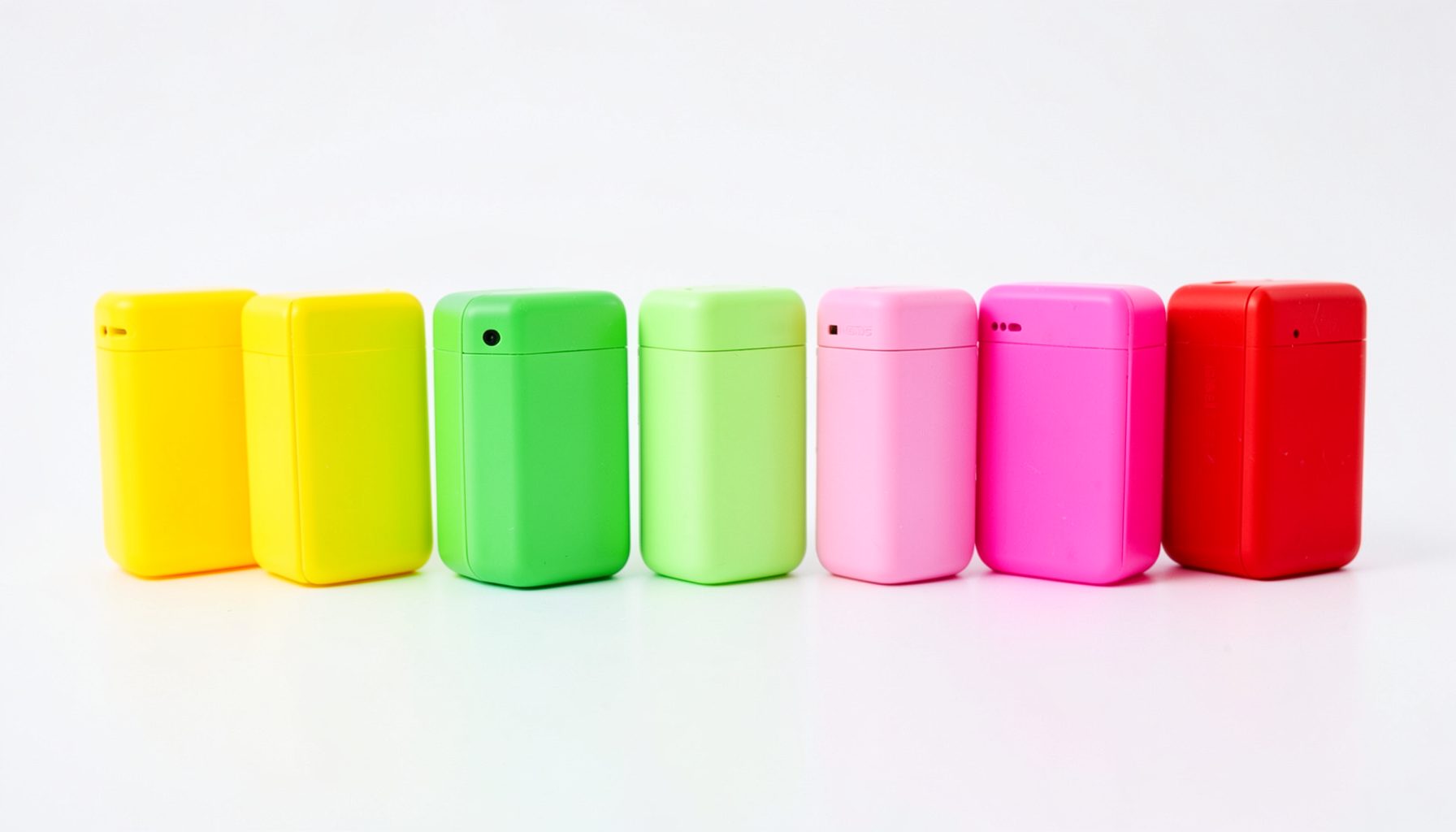
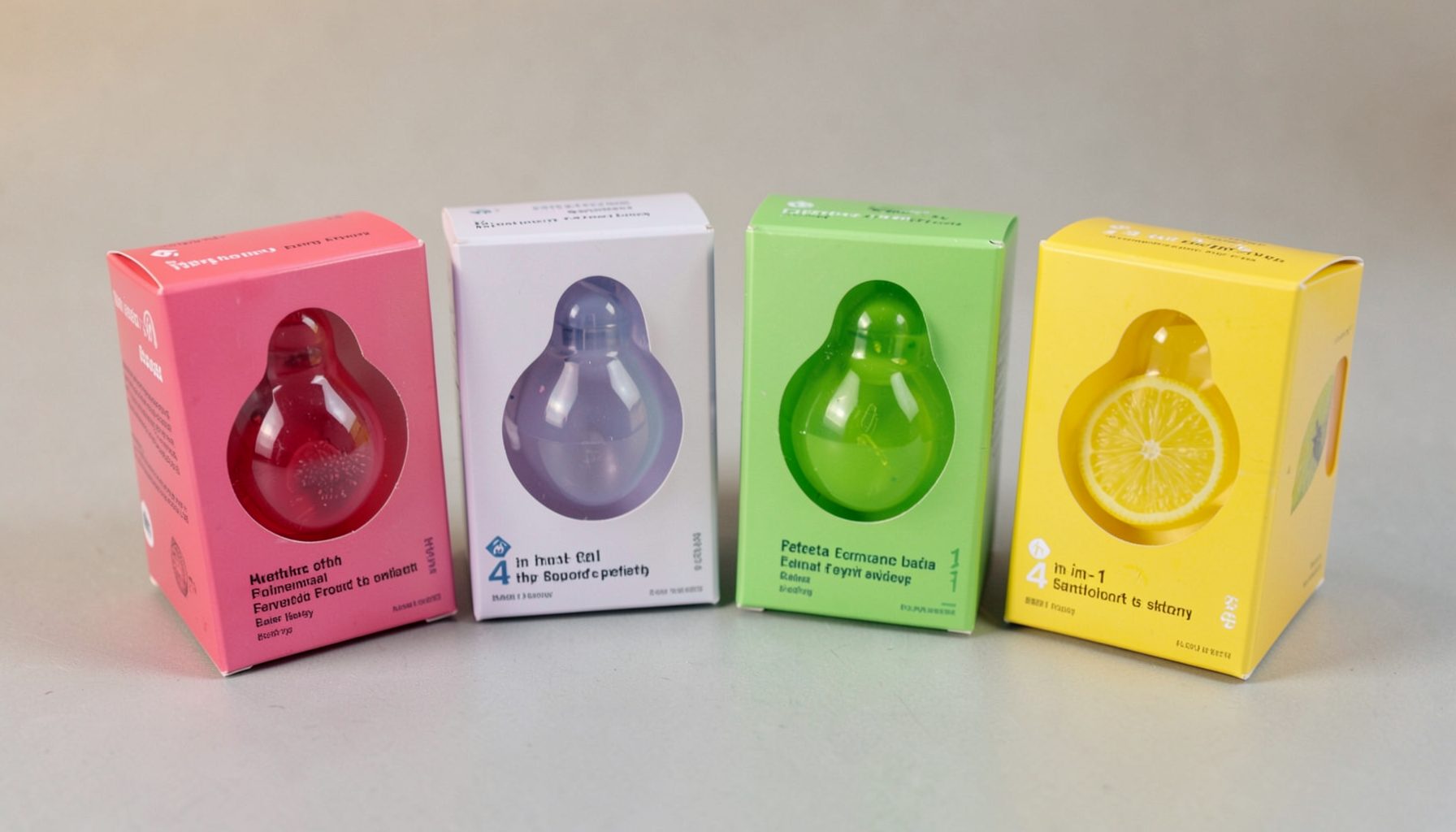
Lost Mary products come in several formats, including compact disposables, prefilled pod systems, and higher-capacity models such as the BM600, BM600S, and BM6000. Their size and liquid capacity may differ, but the basic travel precautions remain similar. These products contain nicotine, an addictive substance, and are intended for adult smokers and vapers only.
Why vapes belong in cabin baggage
Disposable vapes use lithium-ion batteries, which can become a safety concern if damaged, short-circuited, or exposed to heat. A fire in the aircraft cabin can be identified and managed more quickly than a battery incident inside the cargo hold. This is why aviation authorities generally require electronic cigarettes and vaping devices to remain accessible to the passenger.
Place the device in a small protective case or its original packaging. Keep it away from coins, keys, chargers, and other metal objects that could touch the battery contacts. If the disposable has a power button, switch it off. For draw-activated models, use a case that prevents the mouthpiece from being pressed or the device from activating accidentally.
Never put a Lost Mary disposable in checked luggage, even if it is unopened. If your carry-on bag is taken at the gate and placed in the hold, remove the vape before handing the bag over. A transparent pouch can make this step easier during a busy boarding process.
Check airline and destination rules
Airlines often follow the same broad battery policy, but their wording may vary. Some require vaping devices to be carried on the person rather than placed inside a cabin bag. Others may limit the number of devices, prohibit spare batteries, or require the item to stay switched off throughout the flight. Check the airline’s dangerous-goods or electronic-cigarette page before travelling.
The country of arrival may have separate rules covering possession, importation, nicotine strength, and disposable vape sales. Australia, Singapore, India, Thailand, and several Middle Eastern destinations have particularly strict or changing regulations. A product that can be legally purchased at home may be restricted, confiscated, or subject to declaration on arrival. For Sydney-related travel research, consult current government guidance alongside this Sydney travel reference, rather than relying on assumptions about local availability.
Transit airports matter too. A connection can place you under another country’s customs rules, even if you do not leave the airport. If your route includes a long layover or a terminal change, check the requirements for every country on the itinerary.
Packing a disposable vape safely
Keep each device protected from pressure, moisture, and extreme temperatures. A rigid case is preferable to a loose pocket, especially for a BM6000 or another larger-capacity model that may be more easily squeezed inside a crowded bag. Avoid leaving a vape on a car dashboard or in direct sunlight before travelling, since heat can affect the battery and liquid.
Do not attempt to modify, refill, dismantle, or repair a disposable vape for a flight. Damaged devices, leaking pods, cracked shells, or products with unusual heat should not be taken onboard. Place a leaking unit in a sealed bag away from other belongings and contact the retailer or manufacturer for safe handling advice.
Most disposable products are designed for use rather than charging, while some pod systems may have a rechargeable battery. Rechargeable devices should be carried with their charging cable protected, but they must not be charged during the flight unless the airline explicitly permits it. Power banks and spare lithium batteries also belong in cabin baggage, with exposed terminals covered.
Security screening and onboard restrictions
At airport security, keep the vape accessible in case an officer asks to inspect it. Whether it must be removed from your bag depends on the airport’s screening procedure. Do not hide it in clothing, toiletry containers, or a sealed checked suitcase. Honest, clear handling is the safest approach.
Vaping and smoking are prohibited on commercial aircraft, including in lavatories. This applies during boarding, taxiing, takeoff, cruising, and landing. Aircraft lavatories contain smoke detectors, and tampering with them can lead to serious penalties. Do not use a disposable vape discreetly or assume that a low-vapour device is exempt.
Cabin pressure changes can sometimes cause e-liquid to seep from a pod or mouthpiece. Keeping the device upright in a leak-resistant pouch may reduce the risk. If liquid reaches your skin, wash the area with soap and water, and keep nicotine liquid away from children and pets.
Choosing what to carry
For a short trip, carrying fewer devices can simplify security and customs checks. Consider the expected duration, access to legal retailers at the destination, and whether your chosen product is permitted there. Avoid carrying a large collection of different flavors or strengths when a single suitable device meets your needs.
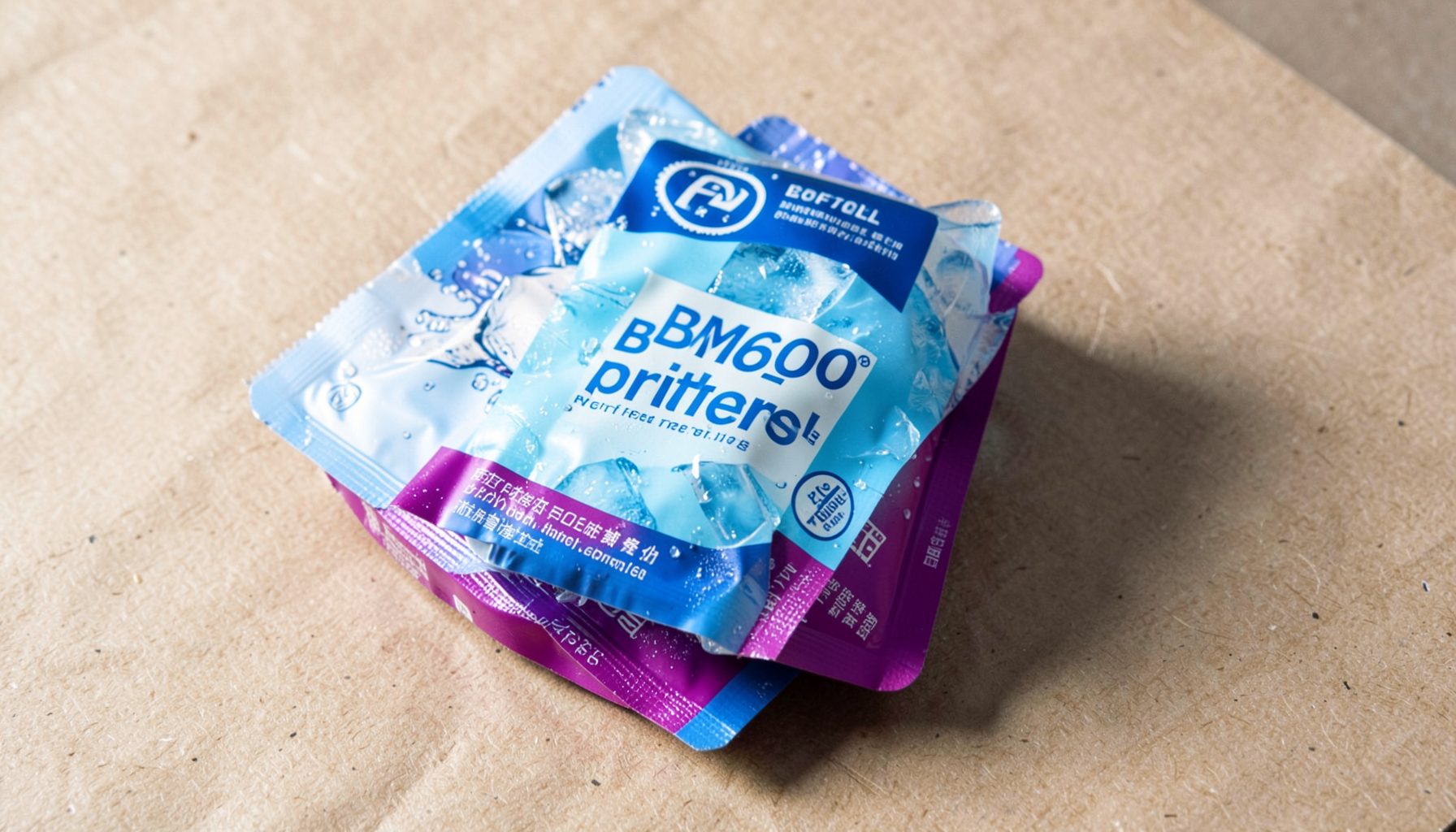
Flavor selection is a personal preference, but it can also affect how many devices someone packs. Travelers who prefer fruit profiles may find useful ideas in fruity Lost Mary flavors. Those comparing berry-style options can review berry mix and blueberry ice before choosing a compact option for a permitted journey.
Nicotine strength deserves equal attention. A familiar product may feel stronger or weaker when travelling because of stress, dehydration, disrupted sleep, or reduced access to regular breaks. Follow the labeled strength and avoid using more frequently simply because the trip has changed your routine. Anyone who does not already use nicotine should not start vaping.
| Travel situation | Usually permitted approach | Important action |
|---|---|---|
| Disposable vape in cabin bag | Generally accepted under aviation battery rules | Keep it protected and accessible |
| Disposable vape in checked luggage | Generally prohibited | Remove it before check-in or gate checking |
| Spare rechargeable battery | Usually cabin baggage only | Protect the terminals from metal contact |
| Vaping during the flight | Prohibited | Keep the device switched off and stored |
| Vape at the destination | Depends on local law | Check import, possession, and use rules |
| Device confiscated at security | Possible if rules are breached | Do not argue; follow airport staff instructions |
Customs, arrival and local use
Customs officers may distinguish between personal possession, commercial quantities, and imported nicotine products. Carrying several sealed devices can raise questions even where personal use is allowed. Keep products in their retail packaging, retain purchase information where practical, and avoid presenting a mixed collection that could look intended for resale.
Some destinations permit possession but restrict public use. Others ban disposable vapes, nicotine-containing liquid, or the importation of vaping products entirely. Local rules may also prohibit vaping in airports, hotels, restaurants, public transport, beaches, or other outdoor areas. Do not assume that a smoking area automatically permits vaping.
On arrival, follow the customs declaration instructions for your destination. If the rules are unclear, ask an official rather than concealing the product. A confiscated disposable is inconvenient; a customs violation can involve fines, delays, or legal consequences.
A simple pre-flight checklist
Use this checklist before leaving for the airport:
- Confirm the airline’s current policy for electronic cigarettes, disposable vapes, and spare batteries.
- Check the laws of the destination and every transit country, including nicotine limits and import restrictions.
- Pack devices in cabin baggage or on your person, never in checked luggage.
- Protect each vape from accidental activation, physical damage, heat, and contact with metal.
- Keep the device switched off and do not vape or charge it onboard.
A genuine product from a reputable seller should have clear labeling for nicotine strength, capacity, and model information. Checking these details before packing helps you identify exactly what you are carrying and may make questions at security or customs easier to answer.
Travel is also a useful time to review your nicotine use. Airport delays and long flights can create pressure to carry more products than necessary, but extra devices do not remove the legal restrictions at your destination. Pack conservatively, follow official instructions, and store the product responsibly around other passengers.
Before your next flight, verify the latest airline and destination requirements, then choose a suitable genuine Lost Mary product from the available range. Safe packing and careful compliance will help keep the journey straightforward while respecting aviation rules and the health of everyone onboard.