Choosing the right nicotine strength for pack-a-day smokers using Lost Mary
A pack a day is a familiar benchmark for smokers across Sydney, Melbourne, Brisbane and smaller regional towns along the east coast. Anyone rolling through twenty cigarettes between work and home knows the routine, with an arvo smoke break at the local servo becoming second nature. When the move to vaping happens, the nicotine strength question surfaces within minutes of browsing a menu. Getting that level right separates a smooth switch from a frustrating week back on the rollies.
Lost Mary disposables and pod kits are sold in a range of strengths, from mild options suited to casual users through to the 20 mg blends UK and European suppliers ship overseas. Australian rules around nicotine liquid differ from those in Britain, so importing a sensible supply means understanding the TGA personal importation scheme. The guide below covers what heavy smokers should look for, how each Lost Mary device compares, and how to stay on the right side of local law.
What pack-a-day smoking really means for nicotine intake
A standard Australian cigarette delivers around 1 to 1.5 mg of absorbable nicotine, so a pack of twenty provides roughly 20 to 30 mg across the day. Heavy smokers take deeper puffs, hold the smoke longer, and finish the final third where nicotine concentration runs highest. By the time the last ciggie is lit, blood nicotine has peaked and dipped several times, leaving the first morning craving strong.
Pack-a-day smokers develop both a chemical dependency and a behavioural pattern. The throat hit, the ritual of stepping out for a quick smoko, the taste of tobacco - all reinforce the habit alongside nicotine. A successful switch addresses both halves: a strength that satisfies the chemical need and a device that mimics the familiar sensations.
Why vaping delivers nicotine differently than cigarettes
Cigarettes burn tobacco at high temperatures, producing nicotine alongside thousands of other byproducts. Vapes heat an e-liquid containing pharmaceutical-grade nicotine, usually suspended as a salt. Nicotine salts allow higher concentrations to be inhaled without the harsh throat scratch that freebase nicotine creates at the same level. The chemical profile is the same, but the delivery curve shifts significantly.
Bioavailability is the other key difference. Only around 10 to 20 percent of nicotine in a cigarette reaches the bloodstream through the lungs. Salt-nic devices can match or beat that delivery curve when used correctly, which is why a 20 mg puff from a pod device often feels close to a full cigarette. Mouthpiece design, coil temperature and airflow all influence how much nicotine makes it across.
Mouth-to-lung devices, which mimic the draw of a ciggie, tend to feel more familiar to former smokers than direct-lung sub-ohm tanks. The Lost Mary disposable and pod ranges are all mouth-to-lung by design, making the transition feel natural. Smokers who jump to a high-wattage sub-ohm setup with a low-strength liquid often find themselves vaping far more than they used to smoke, which defeats the point of moving to a lower-risk alternative.
Matching strengths to Lost Mary disposable ranges
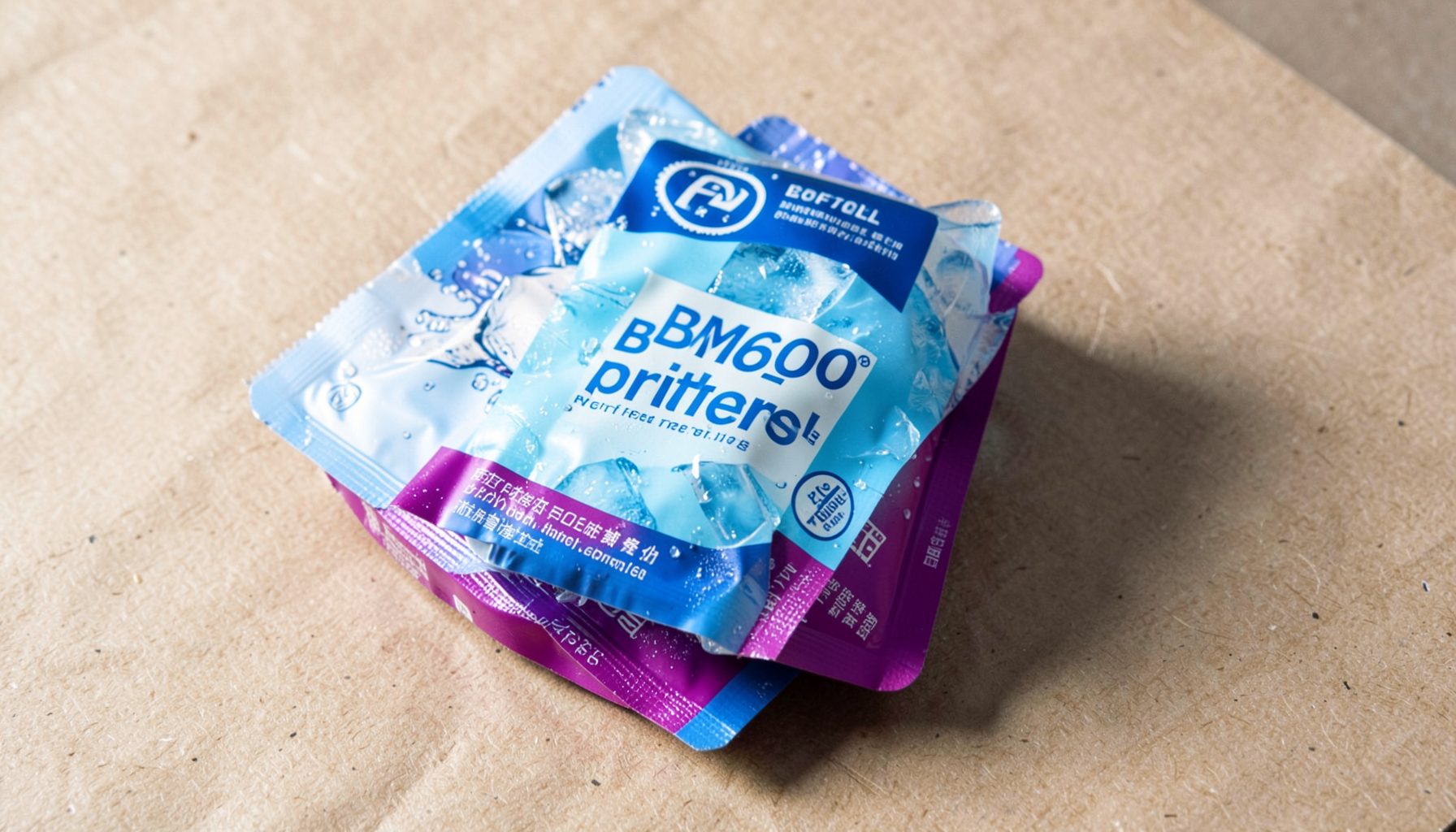
The BM600 ships in 20 mg/mL strength, the standard for single-use devices in regulated markets. Each unit holds around 2 mL of liquid and roughly 600 puffs, which works out to about a pack for a moderate vaper but only half that for a heavy smoker. Many pack-a-day users find the BM600 smooths daytime cravings but runs out well before bedtime.
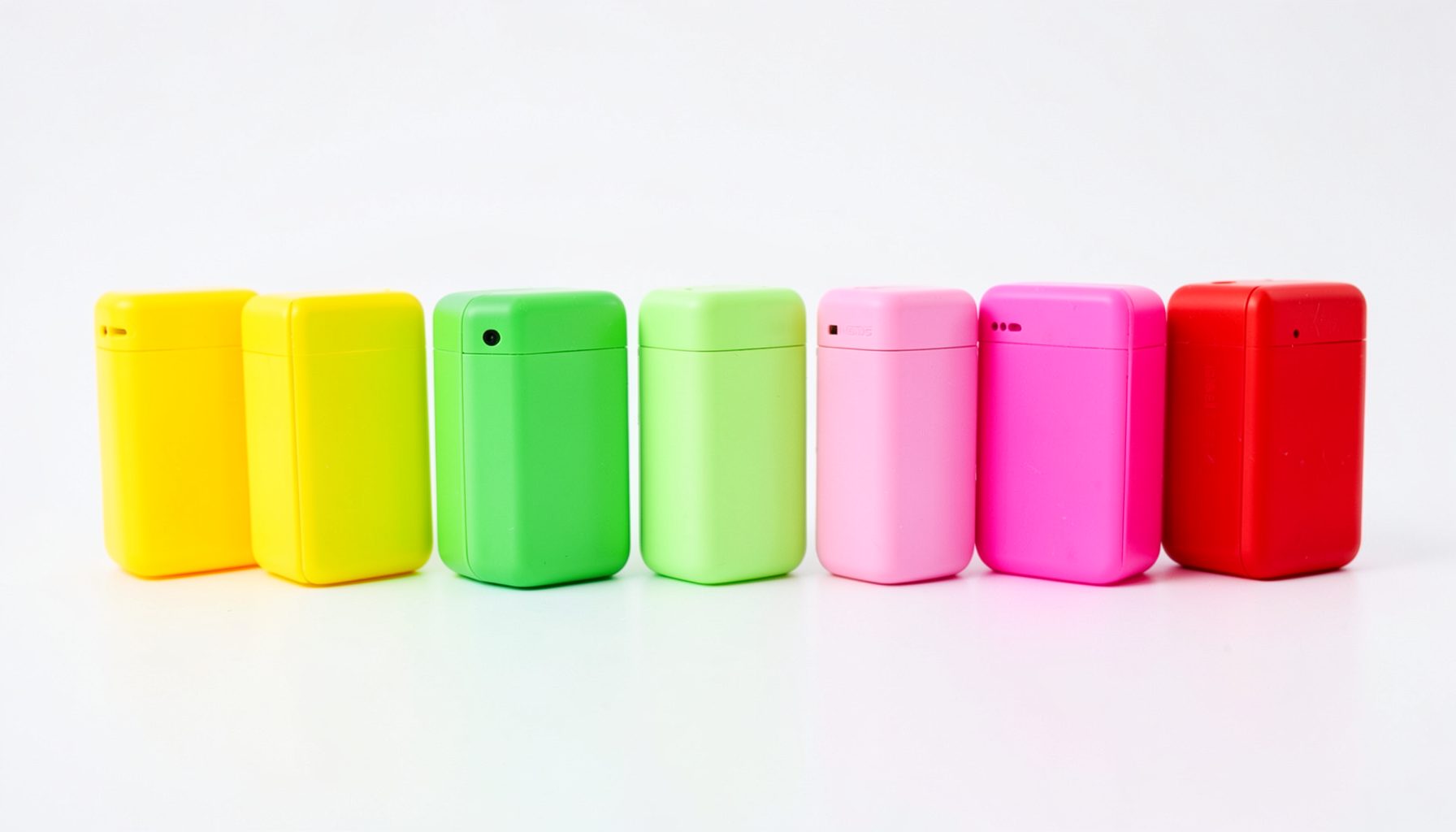
The BM600S offers a similar 20 mg blend in a slimmer shell, while the BM6000 steps up with a larger reservoir and rechargeable battery for roughly 6000 puffs. Heavy smokers who do not want to fumble with pods gravitate toward the larger disposable because nicotine delivery stays consistent throughout. Browsing the full device catalogue is the quickest way to compare current flavours and exact puff counts before settling on a starting point. Most pack-a-day smokers should start with a 20 mg disposable and see how the body responds over ten to fourteen days.
Pods and kits for heavier vapers who want consistency
Refillable pod kits offer more control over strength and flavour, making them a strong fit for users planning to vape for months. The Lost Mary prefilled pod systems use the same 20 mg salt nic blends as the disposables, but the hardware is reusable and replacement pods are sold separately. Heavy chain-vapers often find the coil consistency of a pod kit more satisfying than a disposable that loses punch halfway.
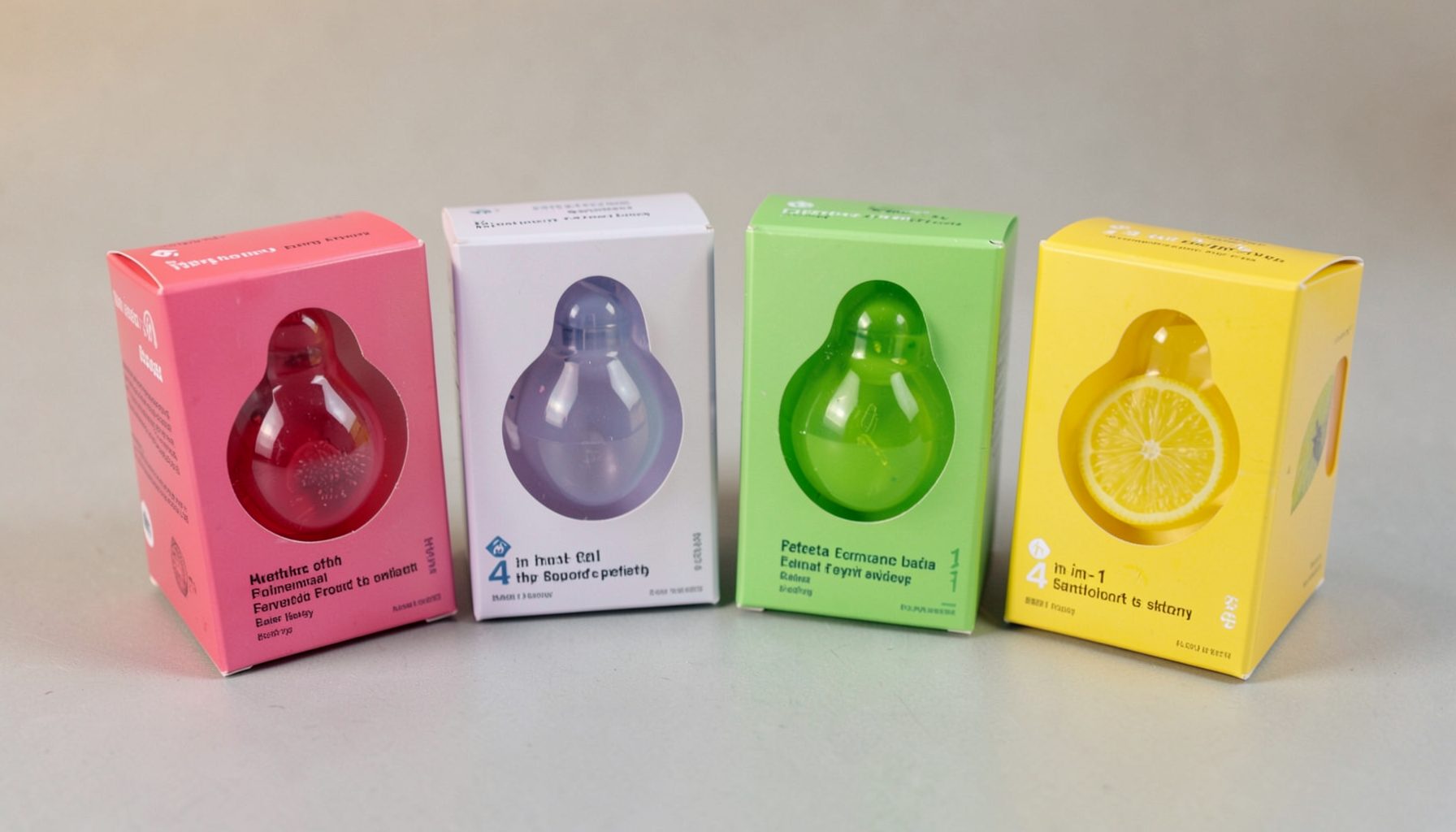
TP800 and Tappo devices sit outside the BM family but follow the same mouth-to-lung philosophy, with refillable tanks or sealed pod connections depending on the model. For smokers in regional WA or the NT where the closest vape-friendly shop is a long drive, reordering pods online and having them shipped south has real practical appeal. Multi-flavour kits are also worth weighing up for sorting out which profile replaces the cigarette habit best.
Buying vape nicotine legally in Australia
Nicotine liquid for vaping is classified as a prescription medicine, which surprises many smokers switching over. The TGA schedules nicotine as a Schedule 4 substance in e-liquids, meaning a script from a GP or authorised prescriber is required to import it. Most Aussie vapers use the personal importation scheme, which allows a three-month personal supply to be ordered from overseas pharmacies with a valid prescription.
Telehealth clinics in every state capital prescribe nicotine for vaping, with the initial consult usually lasting fifteen minutes. Scripts are renewable annually, so the paperwork is a one-off hurdle. Local chemists can also fill vape nicotine scripts if a patient prefers an Australian pharmacy over overseas shipping, though pricing in pounds versus AUD needs to be converted carefully.
Buying from a registered overseas pharmacy is the route most Australian vapers use, with suppliers typically asking for the prescription number at checkout. Some travellers also bring a small personal supply back from short trips across the Tasman, where vape rules differ, though the legal limit on returning with nicotine for personal use is the same three-month amount.
Adjusting your strength over the coming weeks
The first fortnight off cigarettes matters most, because cravings peak while the body recalibrates. Smokers who start on 20 mg and stay there find the worst withdrawal sits in the first three to five days, then settles into a manageable rhythm by week two. Dropping too early is the most common reason for relapse, so patience pays off.
After two to four weeks, many feel ready to taper down from 20 mg to 10 mg slowly, without the shock of going cold turkey. Some stay on 20 mg indefinitely because the harm-reduction benefit of staying off cigarettes outweighs the goal of becoming nicotine-free. Adding devices and pods to a wishlist makes it easier to revisit options when strength needs change.
The right nicotine strength for a pack-a-day smoker is almost always at the upper end of what is legally available, paired with a device that delivers it smoothly through the day. BM600, BM600S and BM6000 disposables, alongside the prefilled pod systems and multi-flavour kits, give heavy smokers a clear ladder of choices without the guesswork. Stock the first fortnight with two 20 mg devices, track cravings honestly, and taper only once the new routine has settled in.