What the Lost Mary Warning Label Means for Your Health
A Lost Mary warning label is more than a packaging formality. It signals that the device contains addictive nicotine and that inhalation can expose the user to harmful substances. The message is especially important for anyone who has mistaken a sleek, compact vape for a low-risk consumer product. Reading the label before first use helps you make an informed decision.
Labels can communicate different things depending on the model, batch and market. Look for the nicotine amount, unit used, ingredients or hazard statements, manufacturer details and batch identifier. A website photograph may not show the panel on the box you receive, so the physical package should be the final source for the warning that applies to that product.
Nicotine changes both the immediate effects of vaping and the likelihood of continued use. It can raise heart rate and blood pressure, affect concentration and alter mood, and create a strong dependence cycle. These risks are not limited to teenagers, although nicotine can interfere with adolescent brain development and is particularly dangerous during pregnancy.
Australian rules make the label part of a wider regulatory picture. Since 1 July 2024, vaping products for sale have been supplied through licensed pharmacies, with adults able to buy without a prescription and minors requiring one. Only tobacco, menthol and vanilla flavours are permitted for lawful sale, and disposable vapes cannot legally be sold. In Sydney, Melbourne, Brisbane or Perth, a pharmacy supply route remains the relevant test; an overseas online catalogue does not establish approval. Customs also limits traveller personal imports to ten cartridges or refill pods, while disposable vapes cannot be brought into Australia.
Why the warning deserves attention
The warning is a health risk alert, not a declaration that every exposure has the same outcome. Its core meaning is that nicotine is addictive and can harm users, while the extra vapour may contain irritants and other toxicants. The amount absorbed varies with technique, device, liquid and use pattern, so a person cannot treat a printed figure as a precise personal dose.
The most serious concern is dependence. Faster nicotine delivery or stronger liquid can make cigarettes or previous vaping harder to stop, and withdrawal can manifest as cravings, irritability, difficulty concentrating and disturbed sleep. A warning also matters when a device is shared, passed around or used by someone who did not choose the nicotine exposure it contains.
Temperature control and flavour do not remove these concerns. Even if a product feels smoother or tastes milder, the underlying pharmacology of nicotine remains. If a warning conflicts with marketing language, rely on verified regulatory information and the product’s own label, and speak with an Australian pharmacist, doctor or Quitline adviser when the wording is unclear.
Strength, capacity and total nicotine
Strength is often stated in milligrams per millilitre, while total nicotine may be shown as milligrams in the tank or reservoir. These are not the same measurement. A 2 mL pod at 20 mg/mL would contain about 40 mg of nicotine nominally, but the amount actually inhaled is not fixed. Puff-count figures can also vary with battery condition and drawing habits.
The practical guide on choosing nicotine strength can help adults compare concentrations without treating a higher number as better. Many people use more, or inhale more deeply, when a liquid feels weak. A lower strength can reduce the amount consumed in some cases, yet it still carries addiction risk and may not suit every user.
Capacity tells you how much liquid is present, not how safely it will be used. Reusable pod systems make intake easier to monitor because the pod can be changed and the device can be stored between sessions; refill instructions and compatibility still matter. Never mix nicotine strengths, share devices or refill a pod with an unverified liquid, and check the stated content each time you buy a replacement.
What nicotine salts do—and do not—change
Nicotine salts are a formulation used in many modern e-liquids. The linked overview of nicotine salts explained describes how the chemical form affects delivery, but it does not make the nicotine safer. Salts may be absorbed readily and can feel smoother at a given concentration, while the user can still develop dependence and cardiovascular effects.
The key distinction is between absorption and harm reduction. Nicotine in a salt form still reaches the bloodstream, and the vapour can still contain other harmful chemicals. Marketing that emphasises a balanced throat hit or convenient pod should never be read as evidence of a reduced disease risk.
Accidental exposure is another reason to treat every warning seriously. Keep devices and spare pods locked away, inaccessible to children and pets; never use a refill bottle as storage for something else; and wash hands after handling. Skin contact may cause irritation, while swallowed nicotine can cause severe poisoning. In Australia, call Poisons Information Centre on 13 11 26 for advice, or 000 for an emergency.
Why flavour choices do not mean safer use
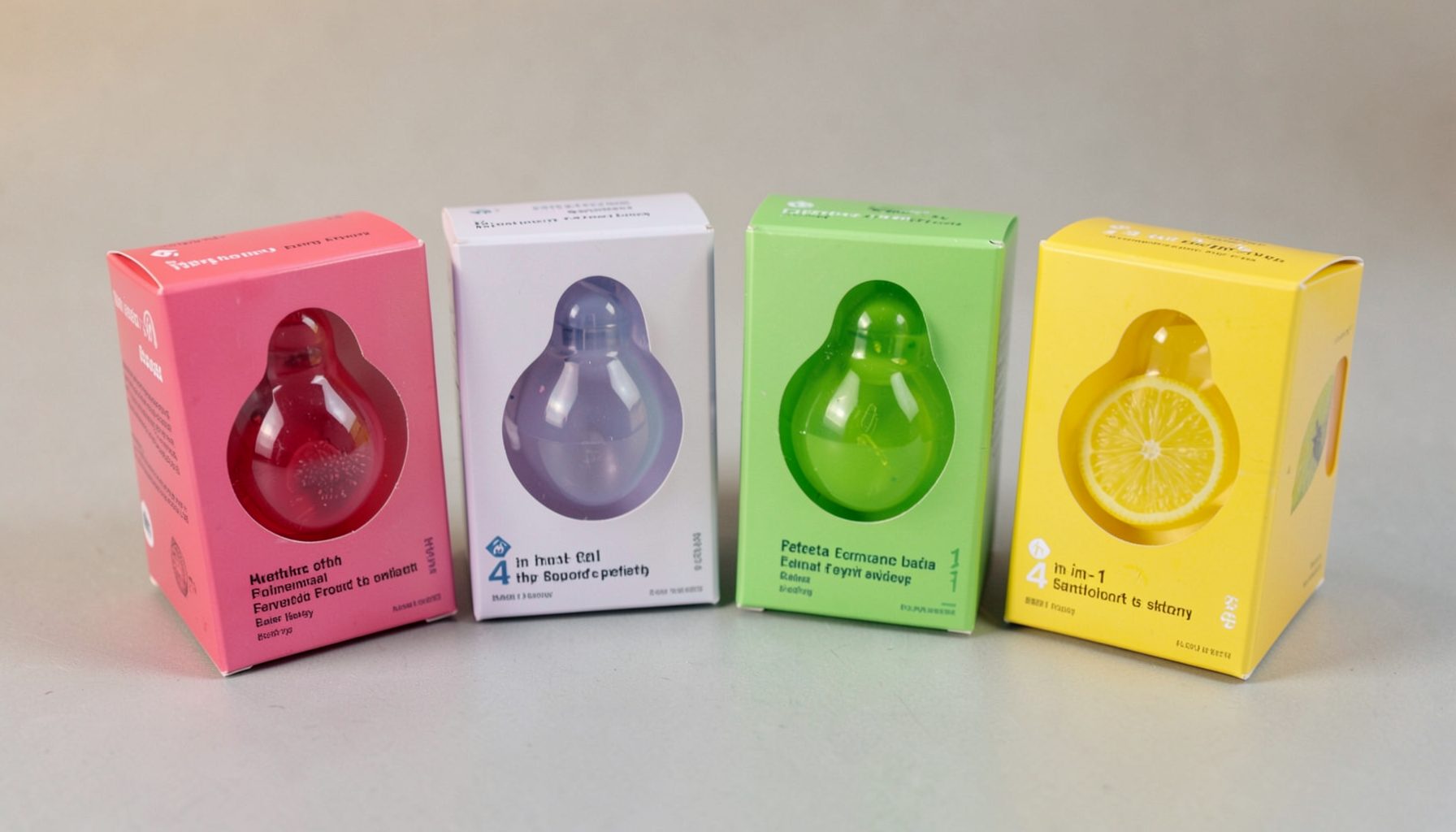
Variety is a commercial feature, not a health category. A detailed look at BM6000 flavour profiles can help distinguish taste descriptions, yet flavour does not determine the nicotine content or make the aerosol harmless. Fruit, dessert and cooling flavours can also make a session more appealing or harder to limit.
Some flavour compounds are irritant when heated, and the final aerosol can contain metals, impurities and breakdown products from the device as well as chemicals from the liquid. Menthol and vanilla do not automatically create a risk-free product even where those flavours are legally available in Australia. A flavour label should be read alongside the nicotine and hazard warnings.
Packaging can also create false confidence. Branded artwork, a high puff count or a claim such as “premium” does not verify authenticity, quality control or regulatory status. Check that the seller is an authorised Australian source where applicable, that the model and batch information are clear, and that the product matches the warning and specifications on the package.
A practical label check for Australian adults
Before buying or using a device, spend a minute comparing the physical label with the retailer’s listing. In Australia, also check the TGA Australian Register of Therapeutic Goods and whether the product is available through a licensed pharmacy, because overseas availability does not make an unauthorised device lawful to sell here.
Information to verify
- Exact nicotine strength, unit and total amount; do not confuse mg/mL with the total mg in a pod.
- Warnings, ingredients or hazard statements, manufacturer or responsible supplier, batch code and expiry information if shown.
- Capacity, battery details and compatibility, particularly when replacing pods for Tappo, TP800 or related systems.
- Authenticity and supply route, including whether the device is approved for legal sale through an Australian pharmacy.
Health actions to pair with the reading
- Choose a nicotine level you can stop using at the end of a session; escalating use is a signal to reassess.
- Keep food, children, pets and unused nicotine products away from reachable storage.
- Avoid vaping during pregnancy and never share a device or lend an unused pod to another person.
- If stopping is difficult, ask a pharmacist, GP or Quitline adviser for support and a practical reduction plan.
Treat any discrepancy as a reason not to use the product until it is resolved. A missing strength figure, unfamiliar batch or unclear import history makes dosing and legal supply harder to assess. Adults who smoke should obtain an approved alternative through a pharmacy, while people who do not smoke have no health benefit from starting.
Take control with a clear next step
The Lost Mary warning label is most useful when it turns into a decision. If you already vape, record the model, nicotine strength and number of sessions, then note what makes each session difficult to end. If you have never smoked, the clearest health-protective action is not to begin. If you smoke, a pharmacist or GP can compare regulated vaping options with proven cessation methods.
Quitting nicotine can take planning and repeated attempts, but support materially improves the chance of success. In Australia, Quitline is available on 13 48 13 48, with additional help from pharmacists, general practitioners and local cessation services. Tell someone supportive what you are trying to do, set a quit date if you are ready, and keep replacement products or prescribed medication where advised.
Read the full warning on every package before the next use, write down the nicotine amount, and take one concrete step today: lock away spare pods, reduce the number of sessions, ask for cessation support or arrange a pharmacy consultation. If you continue vaping, use only a lawfully supplied product, follow its instructions, keep the lowest practicable intake, and stop if symptoms such as dizziness, nausea, palpitations or unusual breathlessness occur. Persistent chest pain, breathing difficulty or fainting requires urgent medical attention.