Understanding the Battery Capacity of Lost Mary TP800
Battery capacity affects how a vape performs from the first puff to the last. It influences how often the device needs charging, how consistently it can power the heating coil, and how much convenience it offers during a typical day. For the Lost Mary TP800, understanding the battery specification also helps explain how its rechargeable design works alongside its prefilled pod format.
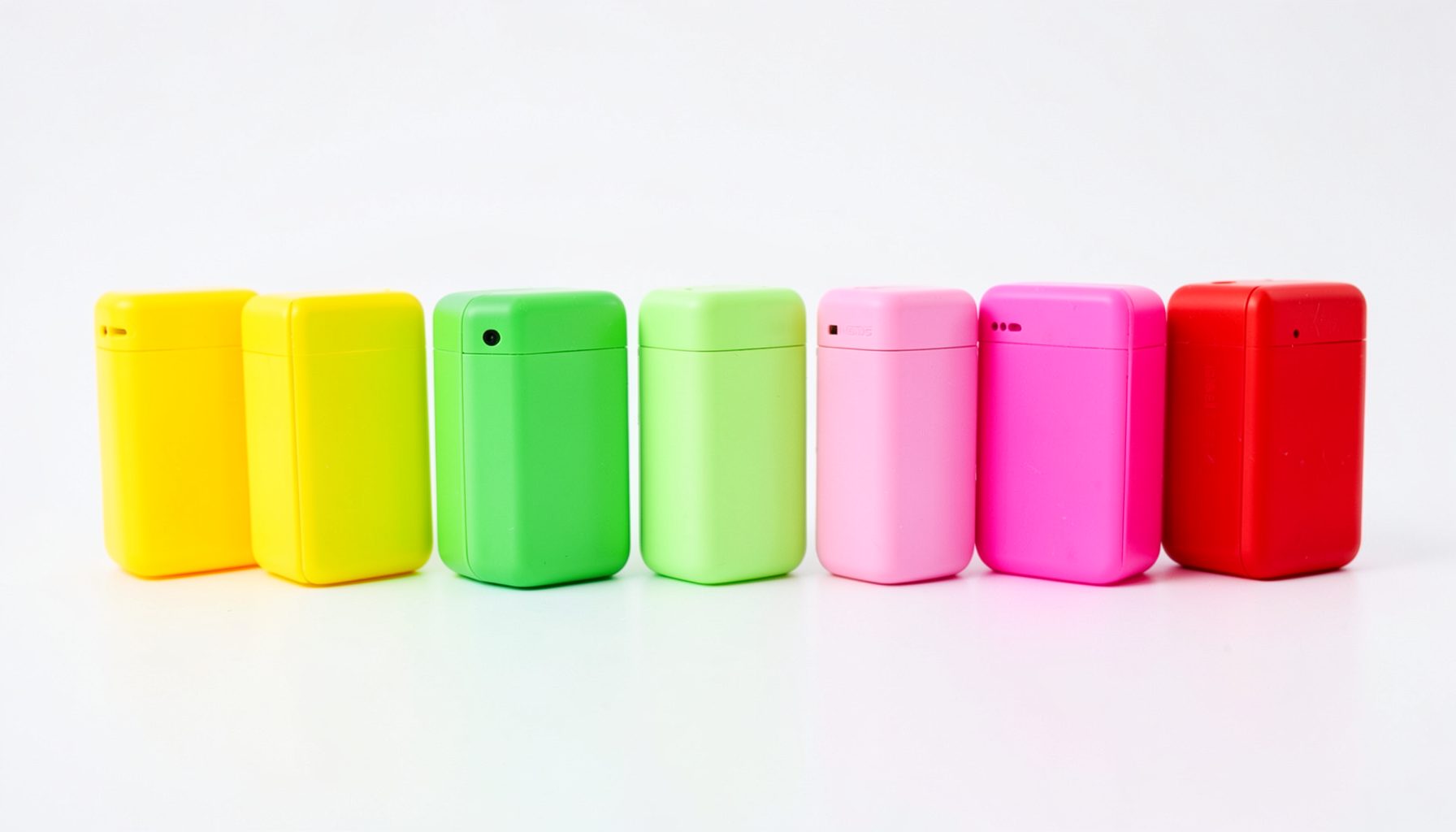
The TP800 is designed for adult smokers and vapers who want a compact device with a prefilled pod and a stated output of up to 800 puffs. Its battery is built into the device, so there is no removable cell to replace or handle separately. This makes the product simple to use, but it also means that correct charging habits matter.
Battery figures should always be checked against the packaging and product information for the specific market. Regional versions, packaging updates, and retailer listings can occasionally present specifications differently. The brand information available from the seller can provide useful context when checking whether a product is genuine and how it is intended to be used.
What Battery Capacity Means
Battery capacity is commonly measured in milliampere-hours, written as mAh. This figure describes how much electrical charge a battery can store. A higher mAh rating generally means a battery can supply power for longer before recharging, although actual runtime also depends on coil resistance, power output, puff length, and how frequently the device is used.
The TP800 is commonly listed with an integrated 500mAh rechargeable battery. That capacity is suited to a compact pod-style vape and gives the device enough stored energy to support its intended puff count under normal testing conditions. It does not mean that every user will receive exactly 800 puffs, because real-world use differs from controlled manufacturer testing.
A puff taken for two seconds uses less energy than one lasting five or six seconds. Frequent deep draws, repeated use without pauses, and exposure to cold temperatures can all reduce the time between charges. Capacity is therefore best understood as an indication of battery endurance rather than a guaranteed number of hours or puffs.
How The TP800 Battery Supports Its Design
The TP800 combines a built-in battery with a prefilled pod. This arrangement removes the need to fill e-liquid or install a separate battery, keeping the device relatively straightforward for users who prefer a low-maintenance format. When the battery runs low, the device can be connected to a compatible charging cable rather than discarded immediately.
A rechargeable 500mAh cell is a practical match for an 800-puff device because it balances physical size with usable runtime. A larger battery might extend the time between charges, but it could also make the device heavier or less compact. The TP800’s format is aimed at portability, so its capacity should be considered alongside its dimensions and intended use.
The battery does not determine vapor production by itself. The coil, airflow, e-liquid formulation, draw activation system, and power regulation all affect the experience. Battery capacity mainly provides the energy reserve that allows these components to operate consistently.
Capacity, Puff Count, And Charging
The stated puff count is an estimate, not a battery-capacity measurement. Manufacturers usually calculate puff figures using a standard draw length and interval. A person who takes longer or more frequent puffs may use the e-liquid and battery more quickly, while a lighter user may take longer to reach the advertised limit.
The TP800’s rechargeable function can be especially useful when the remaining e-liquid is still available but the battery has been depleted. A charging port allows the device to be powered again, helping users make full use of the prefilled pod. Once the pod is empty or the flavor becomes unpleasant, charging will not restore the e-liquid or coil.
Battery percentage indicators are not always included on compact pod devices. Instead, the device may use an LED signal, a change in vapor production, or a flashing light to indicate low power. Users should consult the supplied instructions rather than assuming that every flashing pattern has the same meaning across different Lost Mary models.
| Specification | What It Indicates | Practical Meaning |
|---|---|---|
| Integrated 500mAh battery | Stored electrical capacity | Supports the device’s compact rechargeable format |
| Rechargeable design | Battery can be powered again | Useful while e-liquid remains in the pod |
| Up to 800 puffs | Estimated usage volume | Actual results vary with draw length and frequency |
| Built-in cell | Battery is not user-removable | Do not open or attempt to replace it |
| USB charging connection | Charging method | Use a suitable cable and a safe power source |
Signs That The Battery Needs Attention
A low battery may be indicated by a flashing LED, reduced vapor, delayed activation, or a device that stops producing vapor while the pod still contains e-liquid. These signs can also be caused by a blocked airflow path, a faulty connection, or an empty pod, so they should not automatically be interpreted as a battery failure.
If the device becomes unusually hot while charging or using it, disconnect it from power and allow it to cool on a non-flammable surface. Heat, swelling, a damaged casing, liquid leakage near the charging port, or a burnt smell are reasons to stop using the device. A sealed vape should never be opened to inspect the battery.
A battery that reaches the end of its useful life may hold less charge than it did when new. This can result in shorter intervals between charging sessions. Reduced endurance is different from a normal low-charge warning, particularly if it continues after the device has been charged according to the manufacturer’s instructions.
Safe Charging Practices
Use the supplied or manufacturer-approved charging cable where possible, and connect it to a reliable power source. Avoid damaged cables, loose adapters, and improvised connections. Charging from a standard low-power USB adapter is generally preferable to using an unknown high-output accessory that may not be suitable for the device.
Keep the TP800 on a dry, stable, non-flammable surface while it charges. Do not leave it under bedding, inside a vehicle exposed to heat, or in direct sunlight. It is also sensible to avoid charging overnight or unattended, even when the device includes built-in protections.
Disconnect the device when it has finished charging, and do not continue using a cable or port that becomes hot, sparks, or fits loosely. Never carry a vape with loose metal objects such as keys or coins if the charging equipment or battery contacts are exposed. Although the TP800 has a sealed internal cell, basic lithium-ion safety still applies.
Getting The Most From Each Charge
The simplest way to extend runtime is to avoid unnecessarily long draws. Shorter, steady puffs place less demand on the battery and may also help the e-liquid last longer. Allowing a brief pause between puffs gives the coil time to cool and reduces the chance of overheating during concentrated use.
Storage conditions matter as well. Keep the device away from extreme heat and freezing temperatures, both of which can affect lithium-ion battery performance. A cool, dry location away from direct sunlight is more suitable than a car dashboard, windowsill, or damp pocket.
It is useful to distinguish battery endurance from overall product life. Recharging can restore electrical power, but it cannot replenish the pod. Once the prefilled liquid is exhausted, the device should be replaced through an appropriate recycling or disposal route rather than refilled or dismantled.
Comparing The TP800 With Other Formats
A compact 500mAh device occupies a middle position between a small single-use vape and a larger refillable mod. It generally offers more flexibility than a non-rechargeable disposable because the battery can be topped up, while requiring less setup than a refillable system. The best choice depends on whether portability, convenience, customization, or extended runtime matters most.
The TP800 range can be compared with other Lost Mary products by looking at battery type, pod capacity, charging method, nicotine strength, and flavor availability. Puff estimates should be treated as a secondary detail because they are strongly affected by personal usage. A device with a larger stated capacity may still need frequent charging if it operates at higher power.
When comparing models, also check whether the battery is integrated, whether pods are replaceable, and whether the product is intended for charging or disposal after use. These details affect running costs and environmental handling as much as the headline puff figure.
Practical Habits For Adult Users
- Check the battery rating and charging instructions on the specific TP800 packaging before first use.
- Charge on a clear, dry surface using a suitable cable and a reliable USB power source.
- Stop using the device if it becomes damaged, unusually hot, swollen, or leaky.
- Keep puffs moderate and allow short pauses to balance battery and e-liquid consumption.
- Dispose of the device through an appropriate electrical or vape recycling route when it is empty or faulty.
Nicotine is addictive, and the TP800 is intended only for legal-age adults who already smoke or vape. It should be kept away from children and pets, and nicotine-containing products should be handled carefully. People who do not use nicotine should not start vaping.
For product details, flavor choices, and current availability, visit Lost Mary Pro and compare the TP800 information with the label on the device you plan to buy. Checking the battery specification, charging instructions, and authenticity before use helps ensure that the rechargeable design performs as intended.