How Lost Mary Delivers Nicotine Through Modern Vape Technology
Nicotine delivery depends on more than the amount printed on a label. The liquid formulation, heating coil, airflow, puff duration, device power, and the user’s inhalation style all influence how much nicotine reaches the bloodstream. Lost Mary products are designed around this interaction, using compact vapor systems that turn nicotine-containing e-liquid into an inhalable aerosol.
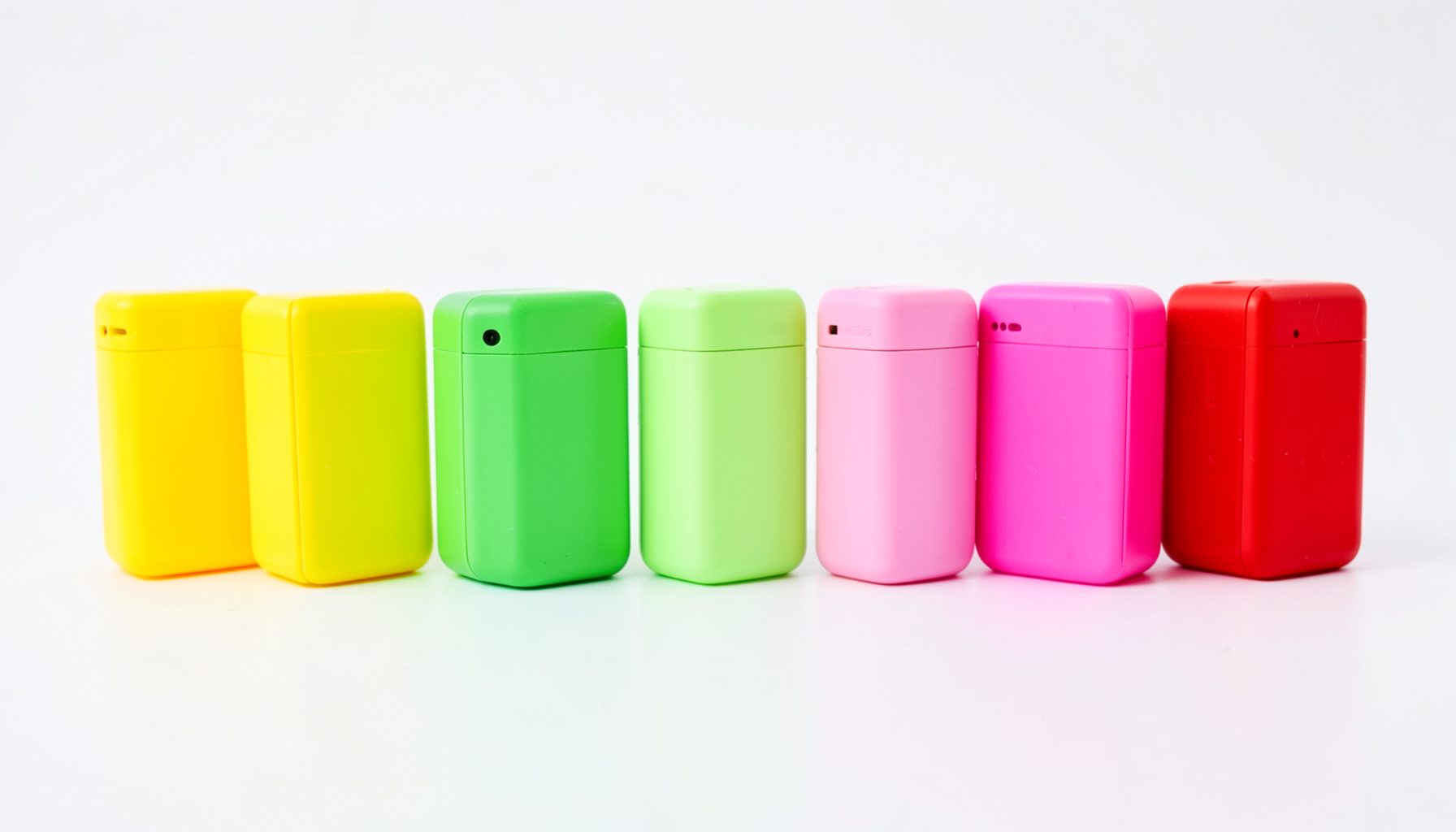
The brand’s range includes disposable devices, prefilled pods, multi-flavor kits, replacement pods, and products such as Tappo and TP800. Models may differ in e-liquid capacity, battery design, nicotine strength, and expected puff count. These specifications affect convenience and consistency, but they do not make nicotine harmless. Nicotine is addictive, and these products are intended only for adults who already smoke or vape.
Understanding the delivery process helps explain why nicotine salts, coil temperature, and puff behavior matter. It also makes it easier to interpret product information responsibly instead of assuming that a larger puff count or stronger flavor automatically indicates a particular nicotine dose.
From E-Liquid To Inhaled Aerosol
A Lost Mary vape contains e-liquid held in a reservoir, pod, or absorbent wick. When the device is activated, the battery supplies energy to a small metal heating element. The coil raises the temperature of the liquid near its surface, producing an aerosol made from fine droplets and vaporized ingredients. This is different from burning tobacco, which creates smoke through combustion.
The aerosol typically contains nicotine, flavor compounds, and carrier liquids such as propylene glycol and vegetable glycerin. Propylene glycol tends to carry flavor and provides a more noticeable throat sensation, while vegetable glycerin can contribute to denser visible vapor. The precise balance varies between products and markets.
Once inhaled, aerosol particles travel through the mouth and airways toward the lungs. The lungs provide a large, thin exchange surface with extensive blood circulation, allowing absorbed nicotine to enter the bloodstream relatively quickly. This rapid route is one reason nicotine inhalation can reinforce repeated use.
Why Nicotine Salts Feel Different
Many modern pod and disposable systems use nicotine salts rather than traditional freebase nicotine. Nicotine salts are formed by combining nicotine with an organic acid, often benzoic acid or a comparable compound. The purpose is to lower the liquid’s alkalinity and create a smoother inhalation experience at concentrations that may feel harsh in a conventional formulation.
A smoother throat sensation does not mean a weaker pharmacological effect. Depending on the strength, puff volume, and frequency of use, nicotine salt e-liquid can provide substantial nicotine exposure. The user may be able to inhale more comfortably, which can make it easier to take repeated puffs close together.
Freebase nicotine and nicotine salts also differ in perceived onset and sensory response. Neither label alone determines the exact amount absorbed. The concentration printed on the package, the efficiency of the coil, the duration of each puff, and individual metabolism all contribute to the final dose.
Device Design And Nicotine Output
The BM600, BM600S, and BM6000 families illustrate how device design can change the vaping experience. A smaller disposable may prioritize portability and a fixed output, while a larger-capacity model may contain more e-liquid and support a higher stated puff count. These figures are estimates based on testing conditions rather than a guaranteed number for every user.
| Product format | Main delivery features | What can affect nicotine exposure |
|---|---|---|
| Compact disposable | Integrated battery, coil, and prefilled liquid | Puff length, airflow, and nicotine strength |
| Higher-capacity disposable | Larger liquid reservoir and battery | More available liquid over the device’s life, plus user frequency |
| Prefilled pod system | Replaceable or fitted pod with a reusable device body | Pod strength, power setting, and replacement habits |
| Multi-flavor kit | Several prefilled options or flavor combinations | Switching flavors may change puff frequency and satisfaction |
| Tappo or TP800 product | Product-specific pod, battery, and coil arrangement | Compatibility, draw style, and package specifications |
Higher capacity does not automatically mean that every puff delivers more nicotine. It usually means the device contains more liquid or has a longer operating life. Output per puff can be influenced by coil resistance, battery voltage, wick saturation, airflow, and how long the user draws. A long, forceful puff generally consumes more liquid than a short, gentle one.
Temperature control also matters. If the coil receives more power, it may vaporize liquid faster, producing a larger aerosol volume. If the wick cannot supply liquid quickly enough, the coil may overheat and create a dry or unpleasant hit. Proper device use and adherence to package instructions help reduce inconsistent performance.
How The Body Processes Nicotine
After inhalation, nicotine passes from the lungs into the blood and is transported to the brain. It binds to nicotinic acetylcholine receptors, which are involved in attention, arousal, learning, and reward signaling. This interaction can stimulate the release of neurotransmitters, including dopamine, contributing to the reinforcement of repeated use.
Nicotine is then metabolized mainly in the liver, where the enzyme CYP2A6 converts much of it into cotinine. Cotinine remains in the body longer than nicotine and is commonly used in laboratory testing as a marker of nicotine exposure. Metabolism varies between people because of genetics, age, liver function, pregnancy, and interactions with other substances.
The subjective effect can also vary. Someone accustomed to nicotine may feel little immediate sensation from a familiar strength, while an occasional user may experience dizziness, nausea, headache, racing heartbeat, or throat irritation. These signs can indicate excessive intake, especially when several products are used during the same period.
Reading Strength And Capacity Labels
Nicotine strength may be printed as milligrams per milliliter, a percentage, or both. For example, 20 mg/ml is equivalent to 2% by concentration, while 50 mg/ml is equivalent to 5%. Regulations differ by country, so the available strengths, labeling conventions, and maximum concentrations can vary. Product packaging should take priority over assumptions based on listings from another market.
Capacity describes the amount of e-liquid held by a device or pod, not the amount absorbed by the user. A 2 ml pod containing 20 mg/ml liquid contains 40 mg of nicotine in the liquid before any use. That figure is not the same as the amount delivered into the bloodstream, because some liquid remains in the device and absorption is affected by puff behavior and device efficiency.
Flavor can influence behavior as well. A cool, sweet, or fruit-based profile may feel easier to inhale than a strong tobacco or menthol profile, potentially changing how often a person reaches for the device. Flavor preference does not alter nicotine’s addictive potential. Buyers should verify the listed strength, capacity, ingredients, and legal market information before use.
For clarification about product specifications, compatibility, or responsible handling, the store’s support resources can provide a more appropriate starting point than relying on informal claims. Nicotine products should be kept away from children and pets, and e-liquid should not be swallowed or allowed to contact skin for prolonged periods.
Personal Variables Shape The Delivered Dose
Laboratory testing can estimate aerosol yield under controlled puffing conditions, but real-world use is less uniform. People take different puff lengths, pause for different periods, and vary the pressure of their draws. Some use mouth-to-lung inhalation, holding aerosol briefly in the mouth before inhaling, while others inhale more directly into the lungs.
Battery charge can influence performance in some devices, particularly as a disposable approaches the end of its usable life. A weak battery may heat the coil less effectively, while a fully charged system may produce a more consistent aerosol. Airflow openings also change the balance between vapor density and inhalation resistance.
Tolerance is another important factor. Regular nicotine exposure can lead the brain to adapt, causing a person to seek nicotine more frequently or use stronger products to achieve a familiar effect. This is a biological feature of dependence rather than evidence that a particular device is safer.
Practical Ways To Interpret Product Information
Responsible purchasing begins with checking the exact model and its package details. Names that look similar can have different capacities, nicotine strengths, pod formats, or regional versions. Product pages, packaging, and current regulatory information should be compared before opening or using a device. The brand’s vaping information hub may also help explain product terminology and usage considerations.
Keep the distinction between nicotine concentration and nicotine delivery in mind. Concentration describes the liquid; delivery describes what is aerosolized, inhaled, and absorbed. A larger device may last longer without delivering a larger dose per puff, while a stronger liquid may increase total exposure even in a small pod.
Safer Use Decisions
- Choose only products legally permitted for adults in the relevant location, and verify the nicotine strength before use.
- Avoid combining several nicotine devices or repeatedly puffing to compensate for an unsatisfying draw.
- Stop using the product if symptoms such as nausea, dizziness, confusion, chest discomfort, or a rapid heartbeat occur, and seek medical advice when necessary.
- Store devices and e-liquid securely away from children, pets, heat, and direct sunlight.
- Treat nicotine vaping as an addictive activity rather than a risk-free source of flavor or vapor.
Lost Mary’s nicotine delivery comes from the interaction of formulation, aerosol physics, device engineering, and human behavior. Reviewing those factors gives adult consumers a clearer basis for comparing BM600, BM600S, BM6000, pod, Tappo, and TP800 products without confusing puff estimates with absorbed dose.
Before purchasing or using a device, inspect the current product listing and packaging for nicotine strength, capacity, ingredients, warnings, and compatibility details. Use the information to make a measured, informed choice, and seek professional support if nicotine use is becoming difficult to control.