Finding the Right Nicotine Strength in Lost Mary Vapes
Nicotine strength is one of the most important factors shaping a vaping experience. It affects how quickly satisfaction arrives, how often a person reaches for a device, and whether the inhale feels smooth or overly intense. Flavor, airflow, battery life, and device capacity all matter, but nicotine concentration often determines whether a product feels suitable in everyday use.
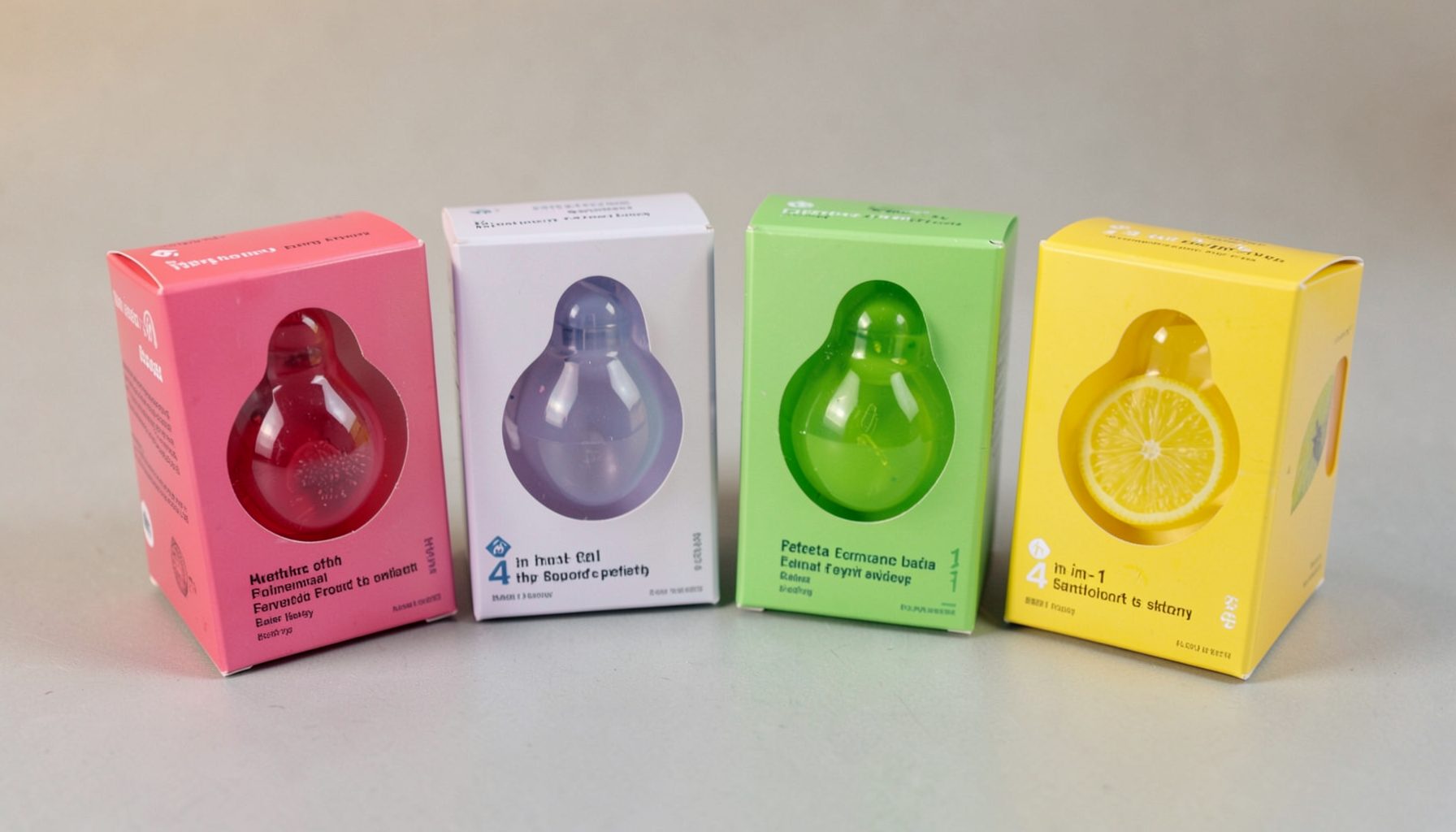
Lost Mary products are available in several formats, including disposable devices, prefilled pod systems, replacement pods, and multi-flavor kits. Depending on the range, users may encounter different nicotine levels, capacities, and delivery styles. Checking the product information before buying helps match the device to personal habits rather than choosing based on appearance or flavor alone.
Nicotine is addictive, and vaping products are intended for adults who already use nicotine or are considering a regulated alternative to combustible tobacco. Non-smokers, people who are pregnant, and individuals sensitive to nicotine should avoid these products. Always follow the packaging, age restrictions, and laws that apply where you live.
What Nicotine Strength Means
Nicotine strength describes the amount of nicotine contained in the e-liquid. It may appear as milligrams per milliliter, written as mg/ml or mg/mL, or as a percentage. For example, 10 mg/ml is commonly expressed as 1%, while 20 mg/ml is approximately 2%. The label is the most reliable source because product conventions and regional regulations can vary.
The stated concentration does not equal the amount absorbed from every puff. Actual intake depends on puff duration, inhalation style, device power, airflow, coil design, and how frequently the vape is used. A compact pod with a tight draw may deliver nicotine differently from a higher-capacity device with a more open inhale, even when both display a similar strength.
Nicotine salts are often used in compact pod systems because they can provide a smoother throat sensation at higher concentrations than traditional freebase nicotine. That smoothness can make it easier to take in more nicotine without the sharp feeling some users associate with stronger e-liquid. A comfortable inhale should not be interpreted as proof that a product is mild.
How Strength Changes the Vaping Experience
A lower nicotine level may suit someone who takes occasional puffs, prefers a gentler sensation, or is gradually reducing nicotine intake. It can provide flavor and vapor without feeling as forceful in the throat. However, if the level is too low for a regular smoker, the person may vape repeatedly in an attempt to reach the desired effect.
A higher strength can produce faster perceived satisfaction, especially for adults transitioning from cigarettes or those accustomed to frequent nicotine use. It may reduce the urge to take constant puffs, but it can also feel intense when used with a powerful device or a long inhalation. Dizziness, nausea, headache, racing heartbeat, or a generally unpleasant sensation are signals to stop using the device and reassess.
For people moving away from cigarettes, the aim is usually to find a level that controls cravings without encouraging excessive use. This transition guide can provide additional context, but individual needs differ. Cigarette consumption, smoking style, previous vaping experience, and local product availability all affect the decision.
Reading Labels Across Lost Mary Ranges
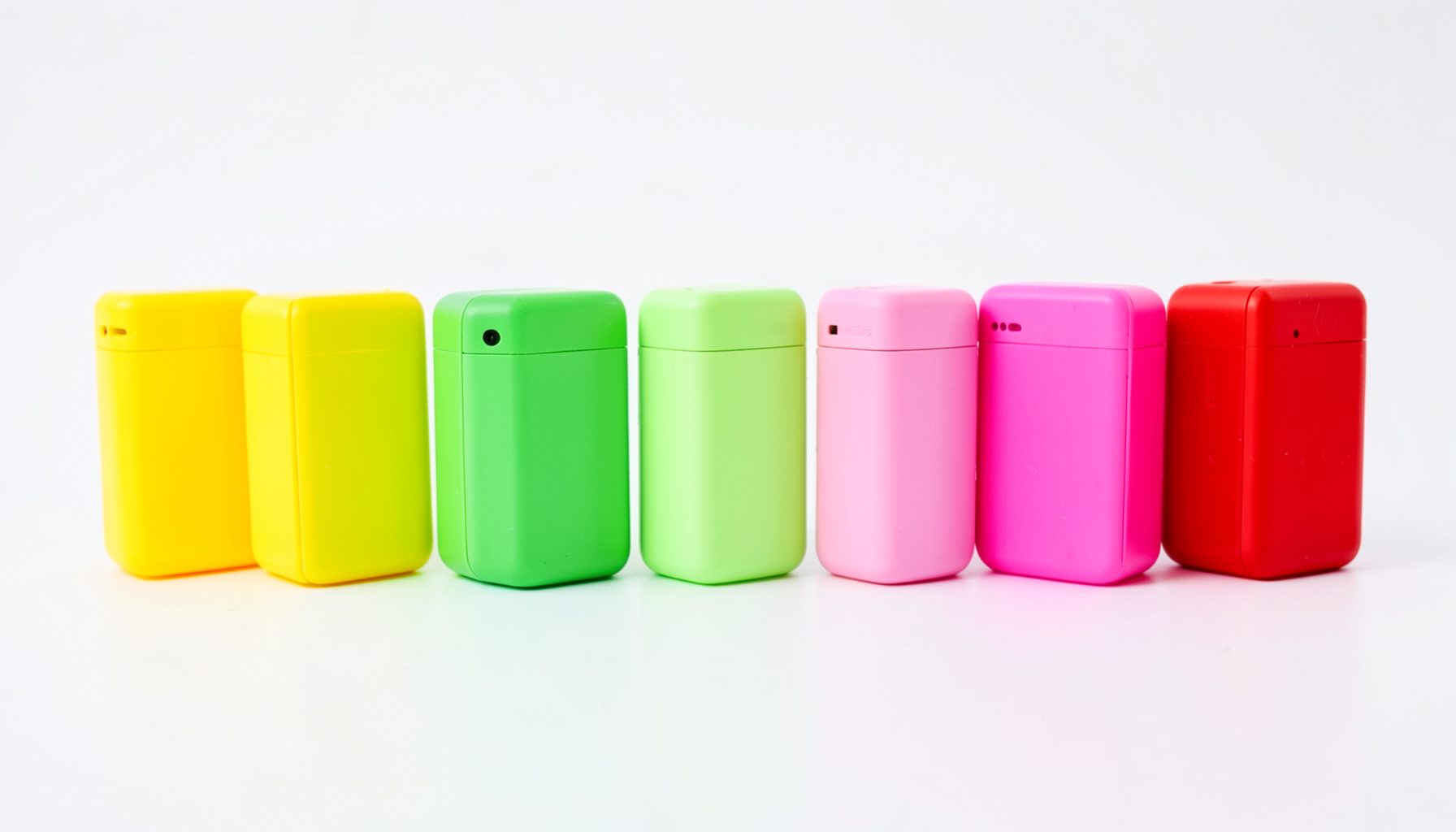
Product names such as BM600, BM600S, BM6000, Tappo, and TP800 identify different device families rather than a universal nicotine experience. Capacity, construction, pod format, airflow, and battery design can vary between ranges. Two devices with similar branding may still feel different because one is designed for a tighter mouth-to-lung draw and another produces more vapor.
Before ordering, review the listed nicotine strength alongside e-liquid capacity and device type. A high-capacity product can contain more total nicotine in the device even when its concentration is the same as a smaller model. This does not mean every user will absorb the entire amount, but it reinforces the importance of storing and using the product carefully.
| Label information | What it tells you | Why it matters |
|---|---|---|
| Nicotine concentration | Nicotine per milliliter or percentage | Indicates the intensity of the e-liquid |
| E-liquid capacity | Approximate volume held by the device or pod | Helps estimate longevity and total nicotine content |
| Device format | Disposable, prefilled pod, or replacement pod | Influences convenience, draw, and usage pattern |
| Airflow and power design | How vapor is produced and inhaled | Can change perceived throat hit and nicotine delivery |
| Flavor profile | The taste of the vapor | Affects enjoyment and how often the device is used |
Flavor can also change the impression of nicotine strength. Cooling menthol, fruit, and sweet profiles may make an inhale seem smoother, while tobacco or spice notes may emphasize throat sensation. This perception does not change the labeled concentration, so flavor should not be used as a substitute for checking the nicotine information.
Matching Strength to Existing Habits
A person who smokes heavily throughout the day may find a very low-strength vape unsatisfying, particularly during the early stage of switching. Someone who smokes only occasionally may prefer a lower concentration to avoid an unnecessarily strong effect. These are broad starting points rather than medical instructions, and nicotine response varies considerably.
The best choice should reflect both frequency and pattern of use. A smoker who takes deep, frequent puffs may need to approach a vape differently from someone who smokes fewer cigarettes but finds nicotine especially stimulating. Vaping continuously because the chosen strength feels inadequate can lead to more total exposure and may make the experience less comfortable.
If the device feels harsh, try shorter and gentler puffs rather than immediately assuming the product is defective. If cravings remain persistent, review whether the strength is appropriate and whether the device is being used correctly. Do not combine several high-strength nicotine products casually, and avoid using a vape immediately after consuming another nicotine product if doing so causes unpleasant symptoms.
Device Design And Nicotine Delivery
The same concentration can feel different across disposable vapes and prefilled pod systems. A smaller device with a restricted mouth-to-lung draw often resembles the way many people inhale from a cigarette. A more open draw may create larger clouds and deliver more vapor per puff, which can make a given nicotine level feel stronger in practice.
Battery performance and coil condition also influence consistency. As a device nears the end of its usable life, flavor and vapor production may change. With a pod system, an old or poorly seated pod can create weak flavor, leakage, or an unsatisfying draw that users may mistake for insufficient nicotine. Replacing compatible pods and following the manufacturer’s instructions helps maintain a predictable experience.
Compatibility matters when selecting replacement pods or considering alternative refills. For example, users exploring refill options should review information about Tappo pod compatibility before inserting a product that may not be designed for the device. An incompatible pod can affect leakage, airflow, heating, and nicotine delivery, while also creating avoidable safety concerns.
Using Nicotine More Deliberately
Nicotine strength should be considered alongside routine. Keeping a device within easy reach can encourage automatic puffing, even when there is no strong craving. Creating pauses between sessions, avoiding vaping in bed or while driving, and paying attention to how often the device is used can help make consumption more intentional.
Storage also deserves attention. Keep Lost Mary devices and pods away from children, pets, heat, and direct sunlight. Nicotine-containing liquid should not be swallowed or allowed to contact skin for extended periods. If liquid is spilled, clean it promptly, and seek urgent medical advice if nicotine exposure causes concerning symptoms.
A simple selection process can make product comparisons clearer:
Practical Choices For Different Users
- Check the nicotine concentration in mg/ml or percentage before comparing flavors, capacities, or prices.
- Match the strength to current nicotine habits rather than choosing the highest available option.
- Choose a device format whose draw and vapor production fit the way you prefer to inhale.
- Start with measured, moderate use and pause if you experience dizziness, nausea, headache, or a racing heartbeat.
- Reassess your routine regularly if your goal is to reduce nicotine or move away from combustible cigarettes.
The right strength is the one that provides a controlled, comfortable experience without prompting constant puffing or causing unwanted effects. Product labels, device specifications, and personal response all matter together. A lower concentration may be suitable for some adults, while others may need a stronger option during a transition from smoking; neither choice is universally correct.
Browse the Lost Mary Pro range with nicotine details, device format, capacity, and flavor in mind. Compare suitable BM600, BM600S, BM6000, Tappo, TP800, and pod options carefully, and use the product information to make a responsible adult choice.