Lost Mary Disposables and Their Footprint on the Environment
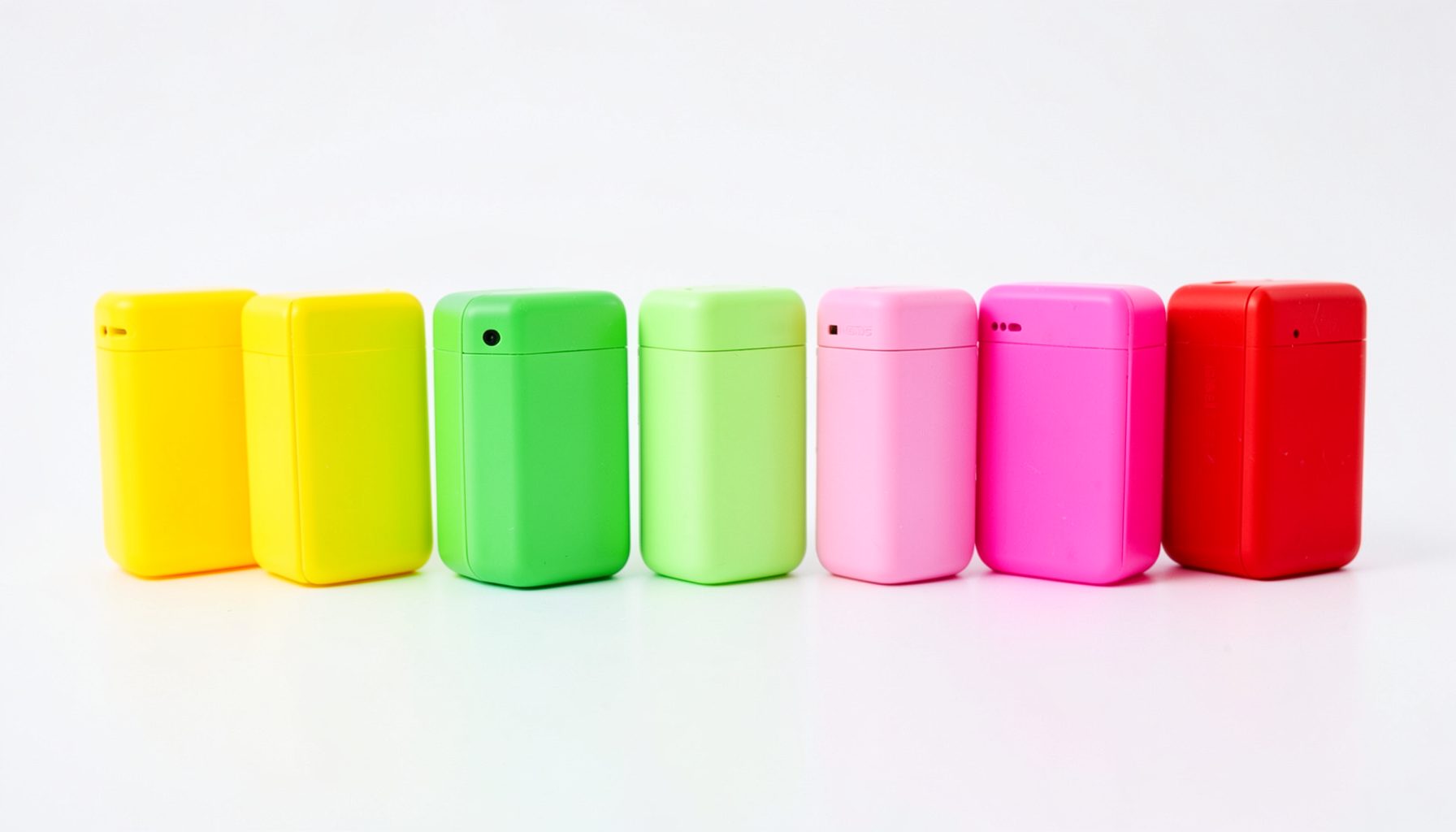
Lost Mary disposables have become a familiar sight in Australian vape shops and corner stores over the past few years. Compact, colourful and ready to use straight out of the packet, devices like the BM600, BM600S and BM6000 have attracted a loyal following among adult smokers and vapers looking for convenience. Yet beneath the bright packaging sits a growing environmental question, one that concerns lithium batteries, plastic casings and the steady stream of single-use units ending up in household bins from Sydney to Perth.
With Australia tightening rules around nicotine imports and recycling schemes expanding across local councils, the conversation about what happens after a device runs out has become harder to ignore. This piece looks at the real footprint of Lost Mary disposables, the practical alternatives available, and what responsible choices look like for adult vapers who want to enjoy flavour without piling pressure on the planet.
The single-use problem facing Australian vapers
Every BM600, BM600S or BM6000 is, by design, an item that is used and then thrown away. Once the e-liquid is depleted, the integrated battery, the plastic shell, the mouthpiece and the internal coil all become waste in a single object. In Australia, where the average adult generates around two kilograms of waste per day, single-use electronics add a layer that councils and recyclers are still working out how to handle.
In busy shopping strips around Melbourne's CBD and Brisbane's Fortitude Valley, retailers report that disposable vapes are among the most returned or swapped items. Many users simply toss the spent device into the general waste bin, which sends it to landfill where the lithium cell slowly leaks into surrounding soil. Some try the household recycling bin, only to discover that kerbside systems are not designed to separate the metal and plastic components inside a sealed vape.
The maths quickly becomes uncomfortable. A heavy vaper going through several devices a week will discard dozens a year, multiplying the environmental load. Even moderate users add up to a substantial pile of small electronics over a twelve-month period. When you consider that around 1.8 million Australians vape, the national picture is one of millions of devices entering the waste stream annually.
Why disposable vapes resist recycling
Standard recycling facilities in Australia rely on sorting equipment that can identify paper, cardboard, glass and certain plastics. A spent vape is none of these. It contains a lithium-ion cell, a small circuit board, copper wiring and a plastic tank that held nicotine-infused liquid. These materials need to be separated by hand or through specialist e-waste streams, which are not available at most local depots.
Battery contents make the problem more serious. A damaged or improperly disposed lithium cell can spark fires in garbage trucks and recycling facilities, a risk that prompted several Australian waste operators in 2023 to issue public warnings. New South Wales' Total Environment Centre has flagged single-use vapes as a particularly troublesome category because they combine a hazardous battery with residual nicotine liquid, both of which require careful handling.
There is also the issue of nicotine contamination. Used devices still hold traces of liquid, which means they fall under chemical waste guidelines rather than standard recycling. Councils in Adelaide and Hobart have started running pilot drop-off days where users can hand in spent vapes for specialist processing. Until those services become permanent and widespread, the practical path for most users remains unclear.
Lithium, plastic and the hidden cost of convenience
Lithium is the ingredient most often overlooked. Each disposable contains a small amount of the metal, and demand from vapes is now part of a wider conversation about resource extraction. Australia is a major lithium producer, with mines in Western Australia feeding global battery supply chains, yet domestically most spent vape batteries still head to landfill rather than back into circulation.
Plastic is the second concern. The shells of Lost Mary devices use a mix of polycarbonate and ABS, both of which can be recycled in theory but rarely are in practice. Coloured dyes, glossy finishes and sealed construction make them hard to process through standard plastic streams. The result is more petroleum-based material sitting in landfill for decades, slowly breaking into microplastics that travel through waterways and soils.
For an adult vaper in Parramatta or Geelong weighing up their options, the picture is straightforward. Every disposable bought and discarded carries a measurable environmental load, even if that device only lasted a few days. Choosing a more durable format, or at the very least disposing of spent devices through proper e-waste channels, is the easiest way to reduce that load.
Alternatives that reduce waste without sacrificing flavour
The good news for adult vapers is that the Lost Mary range includes formats designed to last longer. Prefilled pod systems, multi-flavour kits and replacement pods all share the same flavour profiles as disposables while cutting down dramatically on the volume of hardware thrown out. A single rechargeable device can serve the role of many disposables, with only the pod being swapped when flavour runs out.
The TP800 range, for instance, offers a longer-life alternative for users who enjoy the brand's signature flavours. Anyone curious about how it stacks up against competing pod devices can read a TP800 vs Elf Bar breakdown that compares battery life, pod capacity and overall value. Such comparisons help Australian buyers make informed decisions rather than defaulting to single-use options out of habit.
Replacement pods further reduce plastic and battery waste. Instead of discarding the entire unit, users replace only the small flavour cartridge and keep the rechargeable body. Multi-flavour kits take this a step further by letting one device hold several pods, cutting packaging waste and shipping footprint over time. Even small shifts in purchasing behaviour add up when spread across thousands of users.
Local disposal rules and where to take spent devices
Australia's recycling landscape varies by state, but e-waste rules are tightening across the country. In Victoria, the Container Deposit Scheme does not cover vapes, yet local councils have partnered with Planet Ark and TerraCycle to run dedicated vape collection points. Queensland has piloted similar programs through selected Bunnings car park events, taking advantage of the hardware chain's national footprint to reach suburban communities.
Battery stewardship is another route. Programs such as B-cycle accept lithium cells from common household batteries and increasingly from vape devices, provided they are placed in a clear plastic bag before drop-off. Stores like Officeworks and most Bunnings warehouses host collection bins, making it relatively easy for someone in Cairns or Wollongong to offload a batch of spent devices without driving far.
Adult vapers should never place disposables in kerbside recycling. Doing so risks contaminating entire batches of sorted material and, in the worst cases, causing bin fires. Local council websites list approved drop-off points, and Clean Up Australia Day events often include e-waste collection stations. A quick check of the relevant local government page tells users exactly which option is closest to home.
Making better choices as an adult vaper
Switching away from single-use devices does not mean giving up flavour. Replacement pods come in the same fruit, ice and dessert profiles that made Lost Mary disposables popular, and rechargeable hardware has improved noticeably in battery life and draw quality. For vapers in Perth or Darwin where access to specialty stores is thinner, ordering replacement pods online also reduces travel-related emissions and saves a trip across town.
Pairing devices with lower-impact habits extends the benefit further. Some users enjoy matching flavours with food and drink, and a guide to flavors and drink pairings shows how to make the most of every pod rather than reaching for a fresh device out of boredom. Slower, more mindful consumption reduces both spending and waste over a year.
The simplest starting point is to treat spent devices as e-waste from day one. Set aside a small container at home, empty used pods into a clear bag, and drop the lot at a nearby collection point whenever the bin is full. Combine that with a move toward pod-based systems, and the environmental load of an enjoyable habit drops sharply without compromising on flavour or experience.
Browse the full range at Lost Mary Pro and choose formats that fit both your taste and your values, from disposables for occasional use to rechargeable kits built for the long haul. Every shift toward a refillable or pod-based option is a small step toward a lighter footprint on Australian soil.