Environmental Impact Of Disposable Vapes Like Lost Mary
Disposable vapes have changed the way many adult smokers and vapers access nicotine. Compact devices such as Lost Mary products are prefilled, ready to use, and available in numerous flavors and nicotine strengths. Their convenience, however, creates an environmental question that cannot be separated from their design: what happens when a device containing plastic, electronics, e-liquid residue, and a lithium battery reaches the end of its short useful life?
The environmental impact of disposable vapes like Lost Mary comes from the entire product lifecycle. Raw materials must be extracted, components manufactured, products transported, and used devices discarded. The greatest concern is that a disposable vape resembles ordinary household waste even though it contains electrical and chemical components that require different handling.
This does not mean every vaping product has the same footprint. Device capacity, frequency of use, packaging, battery design, recycling access, and whether a product is refillable all affect the result. Understanding those differences helps adult consumers make safer disposal choices and supports pressure for better product design.
Why A Small Device Creates A Large Waste Problem
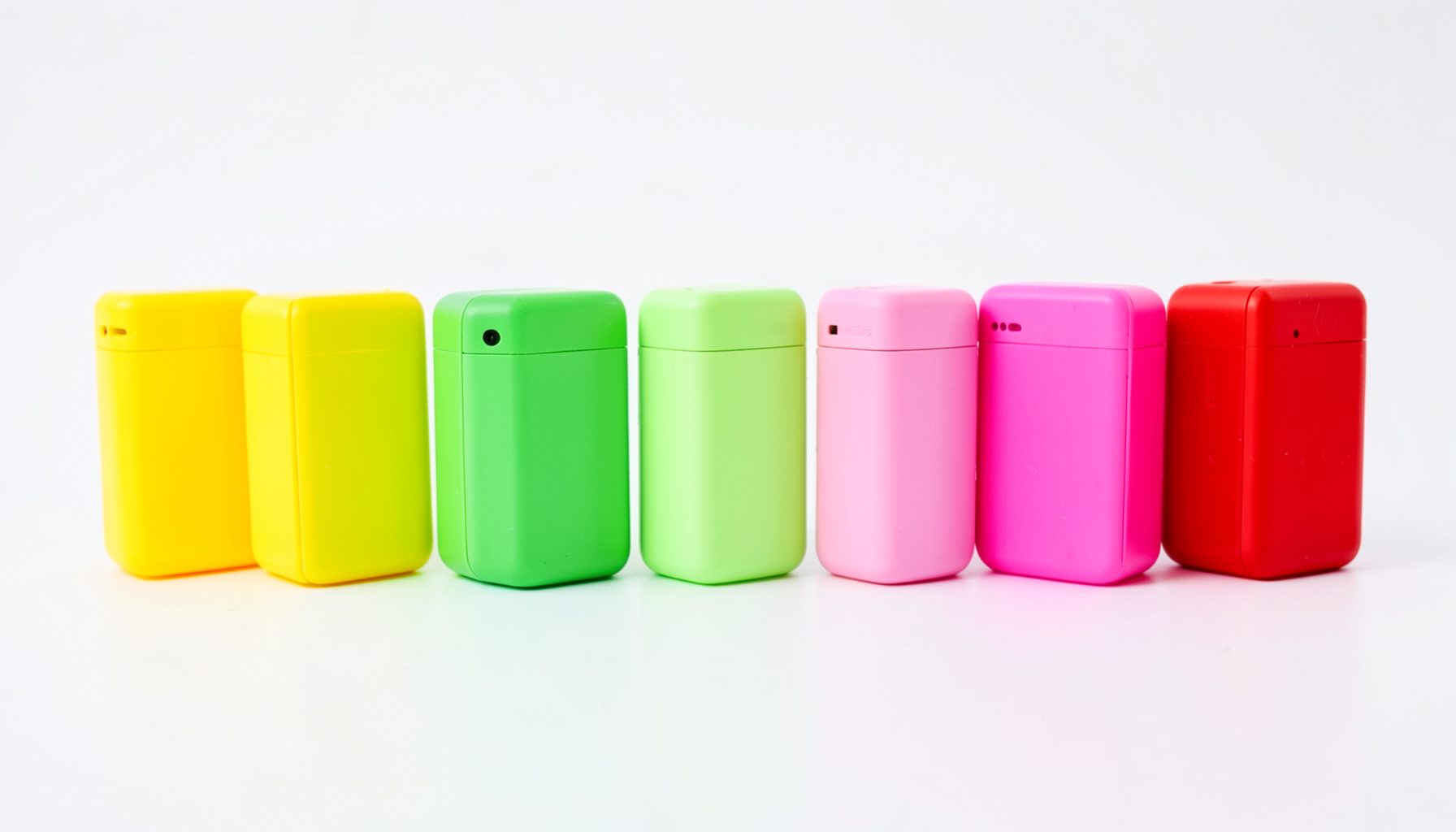
A disposable vape may fit easily in a pocket, yet it combines several materials in one sealed unit. The outer casing is usually plastic, while the internal structure includes a circuit board, heating coil, wiring, cotton or another absorbent material, and a lithium-ion battery. The cartridge also contains e-liquid components that may include nicotine, flavorings, and solvents.
The short service life is central to the issue. A device can be discarded after its e-liquid is depleted even though some parts remain technically valuable or functional. When millions of single-use units follow the same pattern, the total volume of waste becomes significant. The environmental burden is therefore linked to repetition: one small item multiplied by frequent purchasing and rapid disposal.
Packaging adds another layer. Cardboard cartons, plastic films, inserts, and shipping materials may be recyclable in principle, but local systems do not always accept every format. Product information from Lost Mary vape ranges commonly includes capacity, flavor, nicotine strength, and pricing, yet consumers also need clear information about battery disposal and end-of-life handling.
Plastics, Batteries, And Valuable Materials
The plastic shell of a disposable vape can persist for many years when it enters landfill. Weathering may fragment it into smaller pieces rather than remove it from the environment. These fragments can contribute to wider plastic pollution, especially when discarded outdoors or carried through stormwater systems.
The battery presents a separate concern. Lithium-ion cells contain materials that have economic value but can cause fires if crushed, punctured, or exposed to unsuitable recycling processes. A vape thrown into a household rubbish bin may be compacted in a waste truck or facility, increasing the chance of a battery-related fire. This is why an apparently empty vape should still be treated as electronic waste.
Recovering lithium, copper, aluminum, and other materials can reduce demand for virgin mining, but recovery is difficult when the battery is glued into a small mixed-material product. Disassembly requires labor and specialized equipment. In many regions, the cost of collecting and processing low-value disposable devices is higher than the value of the recovered materials, creating a weak financial incentive for recycling.
How Different Vape Formats Compare
Environmental performance depends on how much material supports each period of use. A refillable device can be used for a longer period, but it still has a battery and eventually needs replacement parts. Prefilled pod systems reduce some waste by separating the reusable battery from the consumable pod, although pods themselves may contain plastic, metal, and residual e-liquid.
The comparison below describes broad patterns rather than a universal measurement. Manufacturing methods, electricity sources, transport distances, device lifespan, and disposal infrastructure can change the outcome.
| Product format | Main waste stream | Battery disposal concern | Potential waste advantage |
|---|---|---|---|
| Disposable vape | Plastic body, coil, battery, e-liquid residue, packaging | High, because the battery is discarded with the device | Simple to use, but limited end-of-life recovery |
| Prefilled pod system | Used pods, packaging, and eventual battery replacement | Moderate, with the main battery retained longer | Reusable device body can reduce repeated electronics waste |
| Refillable vape | E-liquid bottles, coils, cotton, and eventual device replacement | Moderate, depending on battery design | Longer device life and replaceable components |
| Cigarettes | Filters, paper, tobacco residue, packaging | No lithium battery, but persistent filter litter and smoke pollution | No electronic waste, though litter and air emissions remain substantial |
Disposable devices can be useful for adult smokers seeking an alternative to combustible tobacco, and comparisons should recognize that cigarettes create significant air pollution, tobacco waste, and litter. Environmental considerations should therefore be assessed alongside health information, including the fact that nicotine is addictive and vaping is intended for adults who already use nicotine.
What Happens When Vapes Are Thrown Away
The most damaging disposal route is casual littering. A discarded vape can release plastic fragments, battery materials, and residual e-liquid into soil or waterways. Rain can move contaminants from streets and drains into rivers or coastal environments. Animals may also encounter small discarded products, particularly in parks, gutters, and areas near transport hubs.
Household bins are also unsuitable in many places because lithium batteries can ignite during waste collection or sorting. Burning mixed waste may create additional air pollutants, while landfill storage leaves useful metals unrecovered. Local rules differ, so consumers should check whether a council, retailer, household hazardous-waste program, or electronics collection point accepts vapes and small lithium batteries.
Before disposal, a used device should not be dismantled, punctured, soaked, or placed loose with metal objects. Keeping it away from heat and damage until it can be taken to an approved collection point reduces immediate risk. Retailers and manufacturers can help by offering visible take-back routes rather than leaving disposal entirely to consumers.
Designing Products For A Lower-Waste Future
The clearest long-term solution is to reduce the amount of material used per period of nicotine consumption. Reusable battery systems, replaceable pods, standardized components, and easier access to spare parts can keep electronics in service for longer. These changes require careful design because leakage prevention, hygiene, battery safety, and reliable performance still matter.
Manufacturers can improve recovery by making batteries removable, labeling materials, reducing adhesives, and publishing clear recycling instructions. Collection schemes should be convenient enough to compete with ordinary disposal. A program that exists only online or requires consumers to travel a long distance is unlikely to capture a large share of used devices.
Regulation also has a role. Policies can establish producer responsibility, require financing for collection, set standards for battery removability, and discourage unnecessary packaging. Transparent reporting would make it easier to measure how many devices are sold, collected, recycled, or lost to general waste. Without reliable data, claims about sustainability remain difficult to verify.
Practical Ways To Reduce Vape Waste
Individual choices cannot solve the entire waste problem, but they can reduce litter, fire risk, and unnecessary consumption.
- Use a disposable vape only if you are an adult nicotine consumer, and avoid buying more devices than you can use responsibly.
- Never place a used vape in household rubbish, curbside recycling, or outdoor litter; find an approved battery or electronic-waste collection point.
- Keep depleted devices dry, cool, and protected from crushing while waiting for proper disposal.
- Consider a durable rechargeable system with replaceable pods when it is suitable for your needs and local recycling options are clear.
- Choose products with concise packaging, accessible take-back information, and transparent battery and materials guidance.
These steps work best when supported by convenient infrastructure. A consumer may intend to recycle a device but still discard it if nearby collection points do not accept mixed-material vapes. Retailers can make responsible behavior easier by explaining disposal instructions at the point of sale and accepting compatible products for return.
Adult smokers who are considering a switch should also weigh product suitability, nicotine dependence, and the risks of continuing to smoke. Moving away from combustible tobacco can have important health implications, but that decision does not make single-use electronics environmentally neutral. Responsible use and responsible disposal need to be addressed together.
Make Every Device Count
The environmental cost of a disposable vape is shaped by thousands of small decisions: how products are designed, how often they are replaced, where they are sold, and what happens after the final puff. The most effective improvements will combine longer-lasting hardware, less packaging, safer batteries, clear labeling, and accessible collection systems.
Consumers can support that direction by disposing of used devices through approved channels and choosing products from retailers that provide accurate specifications and responsible-use information. Manufacturers and sellers should treat end-of-life management as part of the product, not as an issue that begins only after purchase.
Explore available products with attention to capacity, nicotine strength, packaging, and disposal guidance, and make a deliberate plan for returning every used device to an appropriate collection point.