How to verify the authenticity of a Lost Mary BM6000 serial number
A Lost Mary BM6000 serial number can help identify a genuine device, but the number alone is not conclusive. Counterfeiters may copy valid codes, packaging details and even verification images from authentic products. A reliable check compares the serial number with the device, its packaging, the seller’s records and the applicable Australian regulations.
A genuine BM6000 should have consistent identifiers across the product and box. The serial number may appear separately from a batch or lot code, so each code needs to be checked in its proper context. Codes can also change format between production runs and markets, meaning their length or appearance should not be treated as proof by itself.
Authentication is separate from legality. Since 1 July 2024, nicotine vaping products in Australia can generally be sold only by licensed pharmacies under federal and state or territory requirements. A genuine imported BM6000 can still be unlawful to sell or purchase in Australia, so consumers should confirm both the product’s identity and the route through which it is being supplied.
Local shopping conditions add another layer. Sydney and Melbourne consumers encounter pharmacy displays, online marketplaces, convenience stores and informal sellers offering nicotine vapes, with considerable variation in age checks and product sourcing. Parcel lockers and click-and-collect services make it easy to receive a device without examining it at a counter, making careful inspection before use essential. Nicotine is highly addictive, and all Lost Mary products should remain inaccessible to children and adolescents.
What a BM6000 serial number can and cannot prove
A serial number should be unique to an individual device or production unit, while a batch code normally identifies a group produced within the same manufacturing run. Depending on the packaging revision, a retailer may describe either identifier as the “serial number.” This ambiguity makes it important to ask which code is shown on the physical item, the outer box and any attached label.
A matching number is useful evidence only when it comes from a traceable source. A number copied from a photograph has no value, while a code confirmed by the manufacturer or supplied with a verifiable sales record strengthens the case. Buyers should also watch for reused numbers, altered characters and codes that appear only on an unofficial QR-code sticker.
Locating the serial and batch codes on a BM6000
The serial or batch information is generally printed on the device body, near a barcode or regulatory panel on the carton, or on an attached product label. Its exact position can vary according to the production batch and destination market. Rather than searching for a predetermined number length, photograph every available code and compare it against the information printed beside it.
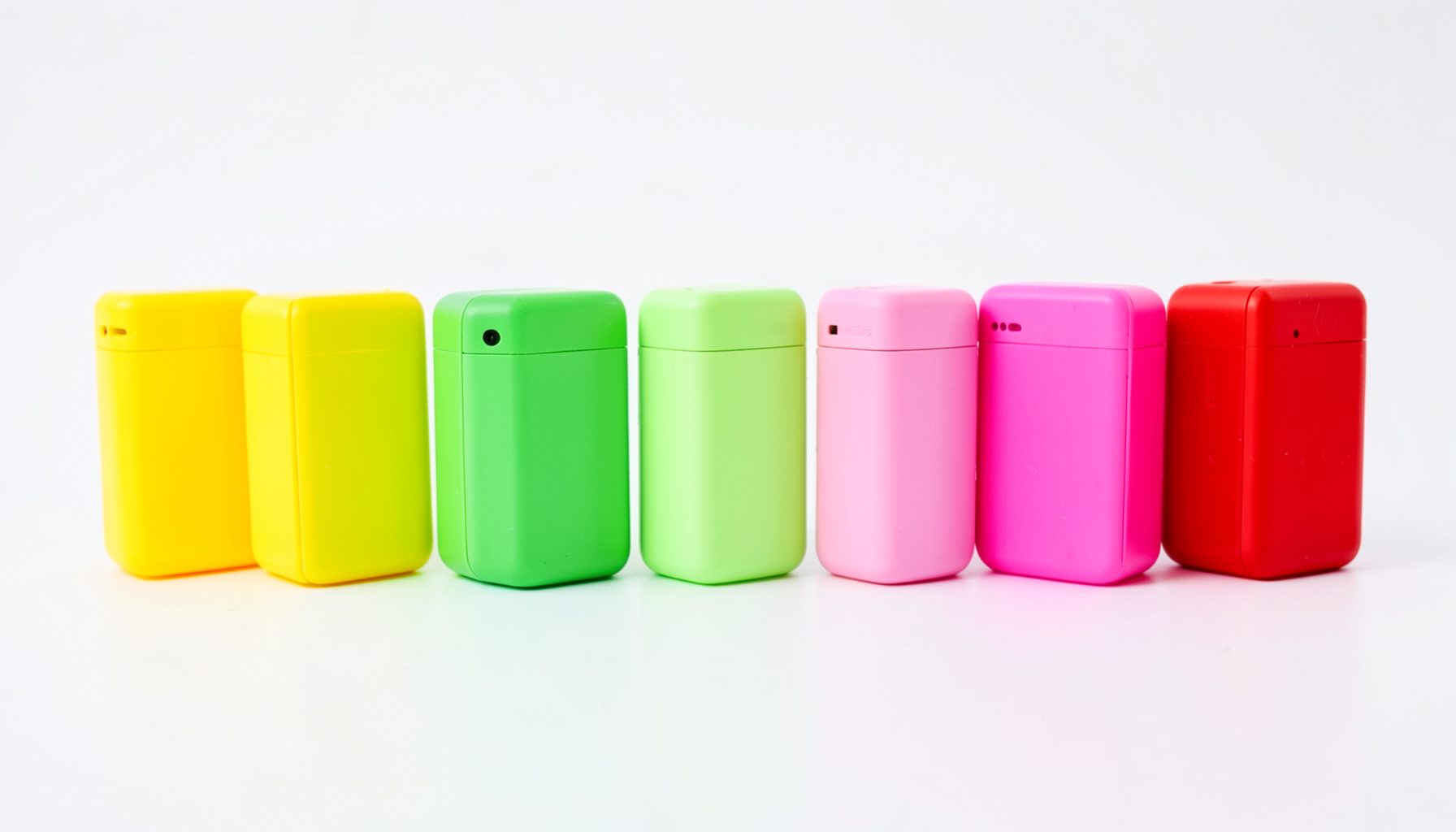
Look for alignment between the physical vape and its packaging. The device colour, flavour name, nicotine strength, liquid capacity and model designation should all correspond with the box and the retailer’s listing. A small discrepancy may indicate a mismatched insert, while inconsistencies across several fields are a stronger warning sign. Keep clear photographs of the unopened package before breaking any tamper seal.
It also helps to understand how related variants differ before making a comparison. This BM600S and BM6000 comparison distinguishes the two ranges by their listed flavours and specifications, which can prevent a buyer from treating identifiers from different models as interchangeable.
Checking packaging, labels and verification codes
Genuine packaging should have consistent print quality, accurate flavour labelling and secure seals. Check spelling, spacing, colours and the placement of warnings rather than focusing only on the large brand logo. Flavour names and nicotine strengths should appear consistently across the front, side and rear panels, while any batch label should remain legible and undisturbed.
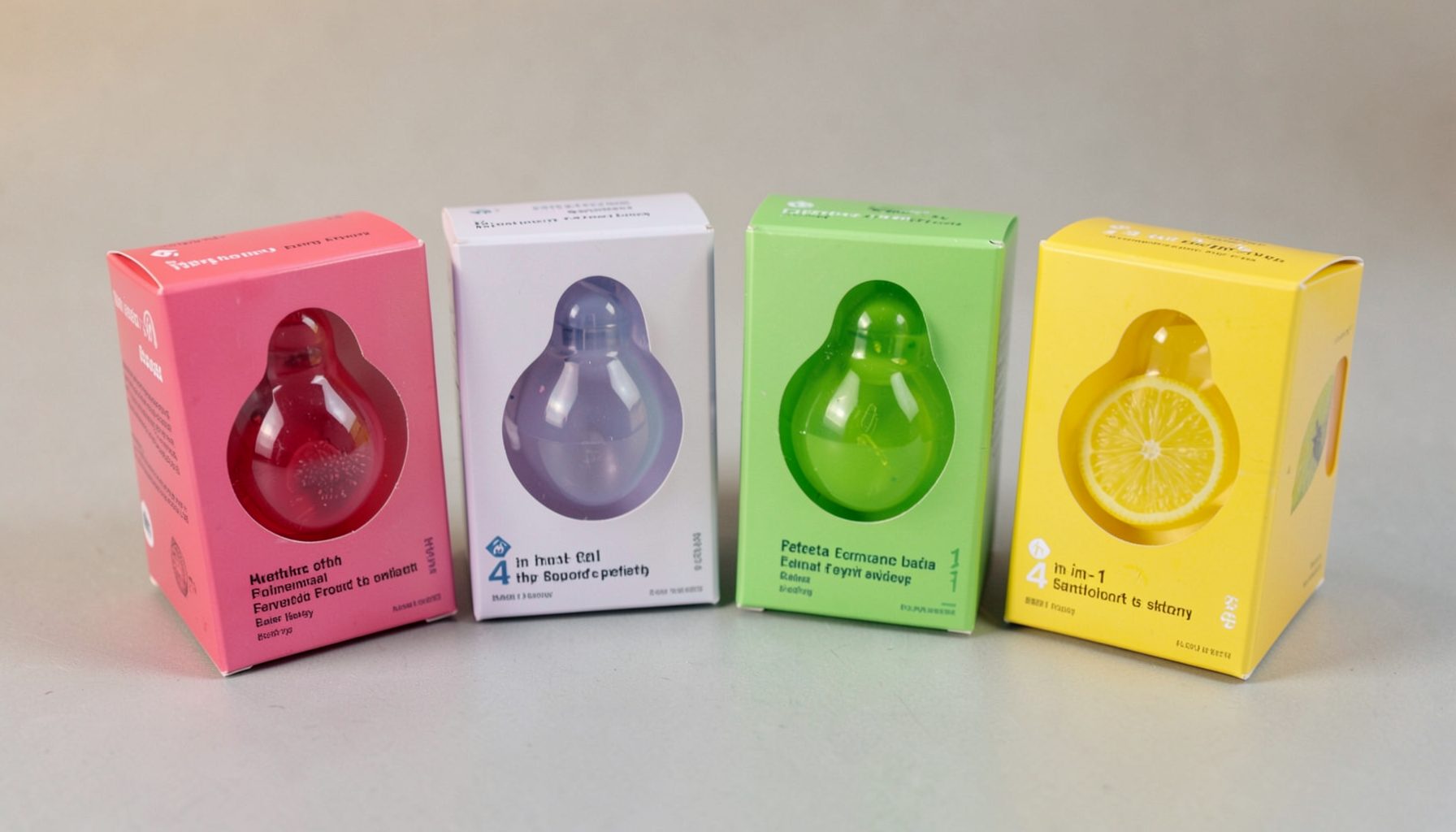
For multi-device or multi-flavor packaging, examine the closure and the way each unit is organised. This multi-flavor pack guide explains the relevant packaging features to compare, including seals, printed identifiers and variations between individual units. Buyers should reject packaging with generic labels, handwritten corrections, missing warnings or seals that appear to have been reapplied.
If the product includes a QR code or verification address, confirm it before entering personal or payment information. Type the address manually where possible and ensure it leads to the manufacturer’s genuine domain rather than a shortened link supplied by an unknown seller. A QR code on otherwise cloned packaging may simply open another fraudulent page. When direct verification is unavailable, request written confirmation from the supplier using the device code and clear package photographs.
A practical authenticity checklist before purchase
Use a consistent process and record the evidence rather than relying on a quick visual impression:
- Compare the serial or batch code on the device with the code printed on the packaging.
- Confirm that the model, flavour, capacity and claimed nicotine strength agree across all labels.
- Inspect print quality, colour accuracy, legal warnings, tamper seals and barcode placement.
- Ask the seller for close photographs of the sealed unit and the code before dispatch.
- Check whether the supplier provides traceable sourcing, an invoice and a clear return or verification policy.
- Save the listing, receipt and unboxing photographs in case a mismatch needs to be reported.
A genuine-looking serial number combined with poor packaging should still prompt caution. The safest purchase is one supported by consistent identifiers, credible seller records and a lawful Australian supply route. Avoid using a newly received device until its condition, labelling and authenticity have been checked.
Australian purchase checks and next steps
The TGA’s regulatory position is central to buying in Australia. Adult consumers should confirm whether the exact product and variant appear in the Australian authorised vaping product list and whether the seller is permitted to supply it. Pharmacy-only rules for nicotine products apply even when the manufacturer’s serial system suggests that an item is genuine. Availability on a general retail website does not automatically make the transaction lawful.
Australian geography and delivery habits can complicate this check. A buyer collecting a parcel in Melbourne may never visit the supplier, while someone receiving one through a Sydney locker may have only a brief opportunity to inspect it. State and territory requirements can also differ, particularly around pharmacy participation, delivery and age verification. International purchases may attract customs checks and could still enter through a grey market, which increases the risk of damaged, mislabelled or counterfeit goods.
Before placing an order, review the Lost Mary Pro catalogue alongside the retailer’s verification and returns information, request the relevant codes, and confirm the lawful Australian supply route. Compare every identifier with the physical device when it arrives, and do not use the vape if the codes, warnings or packaging do not agree. If the goal is to stop or reduce nicotine use, a licensed Australian pharmacy can also provide regulated alternatives and guidance.