How to Properly Dispose of Lost Mary Batteries
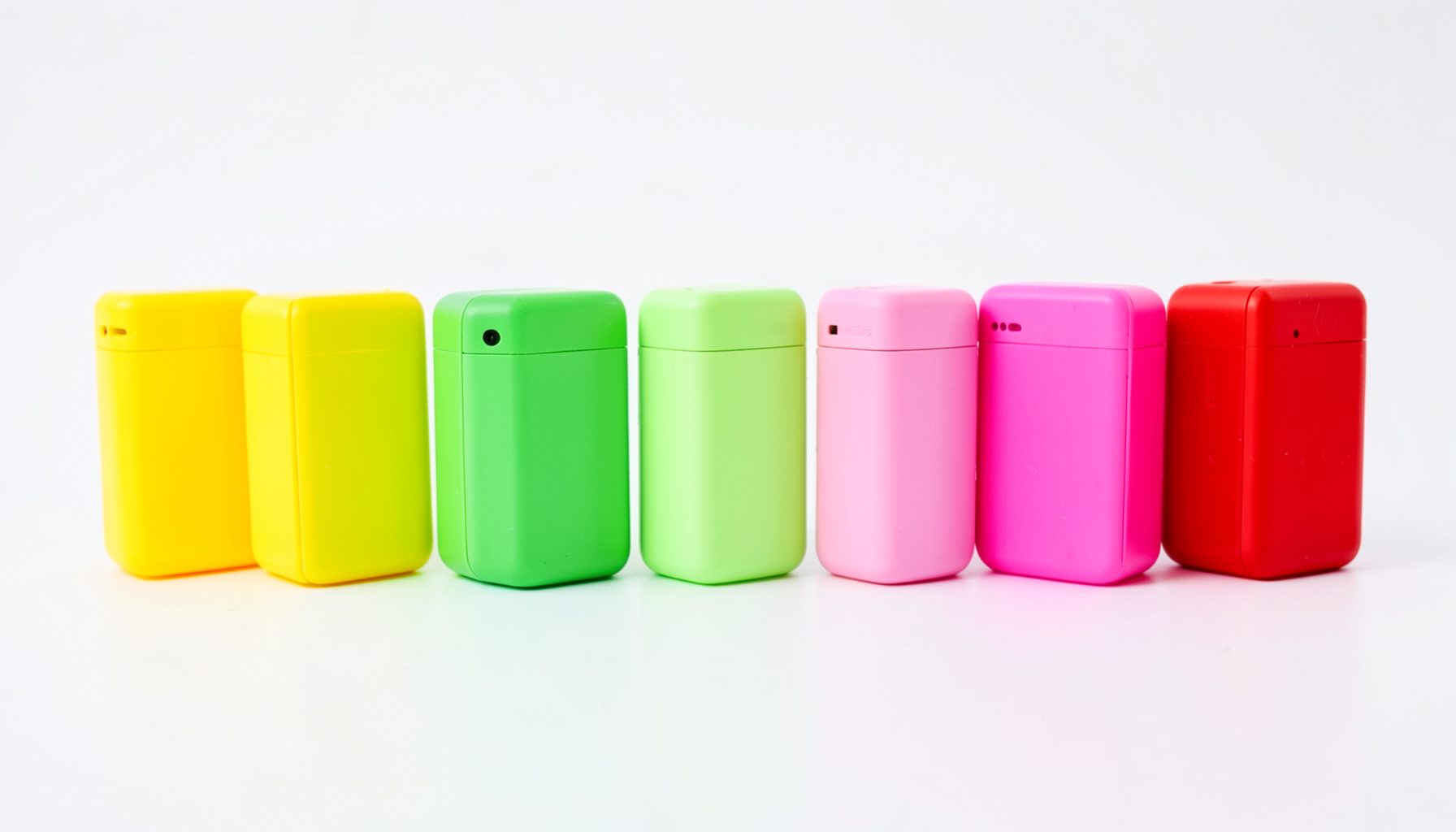
Lost Mary devices are convenient, compact vaping products, but their batteries require careful handling at the end of their useful life. Disposable vapes, rechargeable pod systems, and larger multi-flavor devices may contain lithium-ion cells that can create a fire risk if crushed, punctured, overheated, or placed in the wrong waste stream.
Safe disposal also involves more than the battery itself. A used vape may contain residual e-liquid, nicotine, plastic, metal, and electronic components. Treating the complete device as ordinary household rubbish can expose waste workers to leaking liquid and increase the chance of a battery-related incident.
Before disposing of a device, identify whether it is single-use or rechargeable, check for damage, and follow the rules of the facility handling electronic waste in your area. Product information for current models and accessories can be reviewed through the Lost Mary store, while local disposal instructions should come from municipal authorities or an approved recycling provider.
Identify The Device And Battery
Most disposable Lost Mary vapes are designed to be used until the e-liquid is depleted or the device stops producing vapor. Their lithium battery is sealed inside the unit, so attempting to remove it can puncture the cell, damage wiring, or release liquid. Do not cut open, crush, drill, or pry apart a disposable vape.
Rechargeable pod systems have a different end-of-life process. A device may have a built-in battery or a removable battery, depending on the model. Built-in cells should remain inside the device unless a qualified recycling professional handles removal. If a model uses a separate battery, keep that battery apart from the pod, e-liquid container, and other loose metal objects.
The battery should not be confused with a replacement pod. A pod holds e-liquid, while the battery powers the device. Both components need responsible disposal, but they may be accepted through different collection routes. Empty pods can still contain nicotine residue, so they should not be opened, rinsed into a drain, or given to children or pets.
Why Household Bins Are Unsafe
A lithium battery can retain electrical charge even when a vape no longer works. In a general waste or recycling truck, the device may be compacted, crushed, or exposed to metal objects. Those conditions can cause a short circuit, heat buildup, smoke, or fire. Recycling facilities are particularly vulnerable because batteries hidden in mixed materials can be difficult to identify.
Never put a Lost Mary vape in a household recycling bin, rubbish bin, compost container, or roadside collection box unless your local waste authority specifically states that the collection accepts complete vaping devices. Many standard battery drop-off points accept loose household batteries but exclude e-cigarettes because of their nicotine residue and integrated electronics.
Do not leave a used vape outdoors, in a car, near a radiator, or in direct sunlight while waiting for disposal. Heat can damage the battery and increase pressure inside the cell. Keep the device somewhere cool, dry, and inaccessible to children and animals for the shortest practical period.
Prepare The Device Safely
If the vape is intact and cool, place it in a small, non-metal container while arranging a drop-off. A paperboard box or original packaging can help prevent contact with keys, coins, tools, and other batteries. Do not seal a device in an airtight container if it is warm, swollen, hissing, or producing an unusual smell.
For a rechargeable device, stop using it when it shows signs of failure. Do not recharge it before disposal, and do not try to drain the battery by leaving it connected to a charger. Disconnect any charging cable and keep the cable separate. If the device has a removable battery, cover exposed terminals with non-conductive tape, such as electrical tape, without wrapping the entire cell tightly.
A damaged battery needs extra caution. Swelling, leaking, discoloration, a cracked casing, excessive heat, smoke, a sweet chemical odor, or a popping sound can indicate a serious fault. Do not touch leaking material with bare skin. Move people and pets away, avoid placing the device in water, and contact local emergency or hazardous-waste services for immediate handling instructions.
Choose An Approved Disposal Route
The right destination depends on local regulations and the type of device. Household hazardous-waste depots, e-waste centers, specialist vape recycling programs, and some participating retailers may accept used vaping products. Call ahead or check the provider’s website, since acceptance policies vary by country, state, city, and facility.
When contacting a collection point, describe the item accurately: say that it is a vape containing a lithium battery and possible nicotine residue. This helps staff direct you to the correct stream. Do not hide the device inside another package or claim it is an ordinary battery if the facility requires complete vape products to be handled separately.
| Device or condition | Recommended action | Avoid |
|---|---|---|
| Intact disposable vape | Take it to a vape recycling point, e-waste center, or hazardous-waste facility that accepts e-cigarettes | Household rubbish or mixed recycling |
| Rechargeable device with a built-in battery | Deliver the complete device to an approved electronics or vape collection service | Disassembly or forced battery removal |
| Removable lithium battery | Tape the terminals and use an approved battery drop-off point, if accepted locally | Carrying it loose with coins or keys |
| Leaking, swollen, hot, or smoking device | Isolate people and pets and contact emergency or hazardous-waste professionals | Charging, puncturing, washing, or transporting casually |
| Used pod or e-liquid container | Follow local nicotine and e-liquid disposal rules and use a designated collection route | Pouring liquid down a drain or leaving it accessible |
Retailers may provide useful product guidance, especially when a device is part of a larger range with different capacities or charging designs. The product range details can help you identify the model before contacting a recycling provider, but the local authority’s disposal rules take priority.
Transport The Vape To Collection
Transport only an intact, cool device that the receiving facility has agreed to accept. Keep it upright in a small box or separate bag so it cannot roll around. Do not place it in checked luggage, leave it in a hot vehicle, or carry multiple loose batteries together without terminal protection.
Take the device directly to the collection point rather than storing it for weeks. If you must wait, inspect it without handling it unnecessarily. Any change in temperature, shape, odor, or sound should be treated seriously. A vape that becomes hot or swollen should not be carried in a personal vehicle; seek instructions from emergency services or hazardous-waste professionals.
Do not mail a vape or lithium battery unless the carrier and destination explicitly authorize that shipment and provide packaging instructions. Postal and courier restrictions can be strict because damaged lithium cells may ignite during transport. An approved local drop-off is usually the simpler and safer option.
Prevent Battery Waste In The Future
Responsible disposal starts when buying and using the product. Choose genuine devices from reputable sellers, follow the charging instructions, and stop using a rechargeable vape if its casing or charging port becomes damaged. Do not modify the device, use an incompatible charger, or leave it charging unattended overnight.
Nicotine products are intended for adults only, and nicotine is addictive. Keep unused and used devices away from children, pets, and anyone who should not be exposed to nicotine. Store them in a secure, dry place and avoid carrying a device loose in a pocket with metal objects.
Use these steps as a practical disposal checklist:
- Confirm whether the device is disposable, rechargeable, or fitted with a removable battery.
- Stop using it, disconnect charging equipment, and inspect it for heat, swelling, cracks, or leakage.
- Cover exposed terminals on a removable battery and keep the device away from metal objects.
- Contact a local e-waste, hazardous-waste, vape recycling, or battery collection service before drop-off.
- Tell collection staff that the item contains a lithium battery and may contain nicotine residue.
A careful handoff keeps batteries out of compactors and protects recycling workers, collection staff, households, and the environment. Set aside the used Lost Mary device safely, locate an approved local facility, and deliver it according to that provider’s instructions rather than placing it in ordinary waste.