Match Lost Mary Nicotine Strength to Your Smoking Habit
Choosing a Lost Mary nicotine strength should start with your usual smoking pattern, not with the largest number printed on a package. The right choice depends on how often you smoke, the type of cigarettes you use, how soon you reach for nicotine after waking, and whether you want a familiar throat sensation or a smoother vape.
Adult smokers in Australia also need to consider local regulations and product labelling. Nicotine vaping products are subject to prescription and pharmacy rules, while import and retail requirements can change. Check that any product is lawful and genuine before using it, and treat nicotine as an addictive substance rather than a harmless flavour ingredient.
Read Nicotine Labels Before Choosing
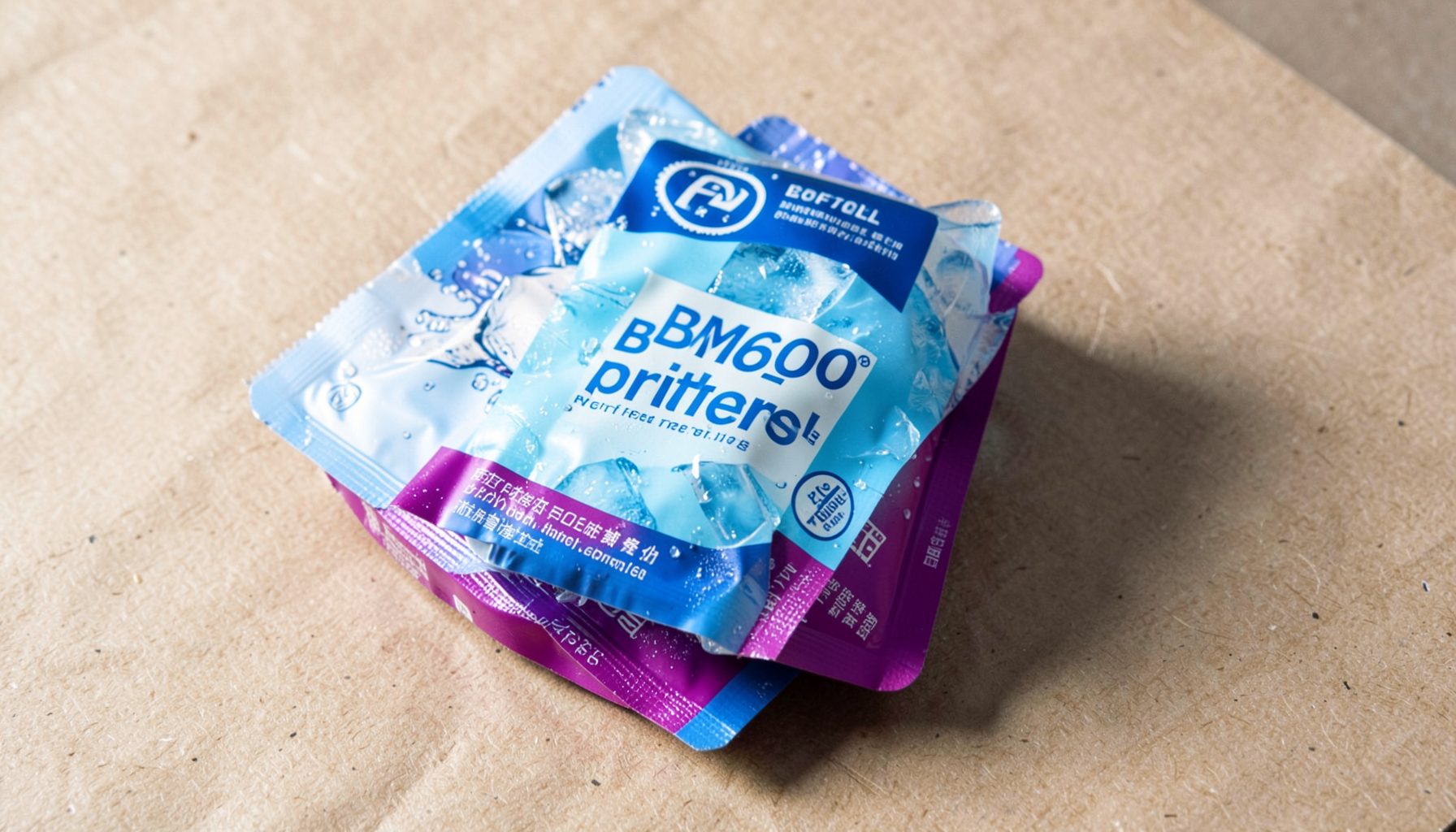
Lost Mary products can display nicotine as a percentage, milligrams per millilitre, or total nicotine in a device. These measurements are related but do not mean exactly the same thing. For example, 2% commonly indicates around 20 mg/mL, while 5% generally indicates around 50 mg/mL in markets where that concentration is sold. Always confirm the unit, strength, liquid volume, and local compliance information.
A disposable or prefilled pod can also deliver nicotine differently from a cigarette. Puff length, airflow, coil design, and how frequently you vape all affect intake. A high-capacity device such as a BM6000 may last longer than a smaller BM600, but capacity does not automatically mean stronger nicotine. Strength and volume are separate details.
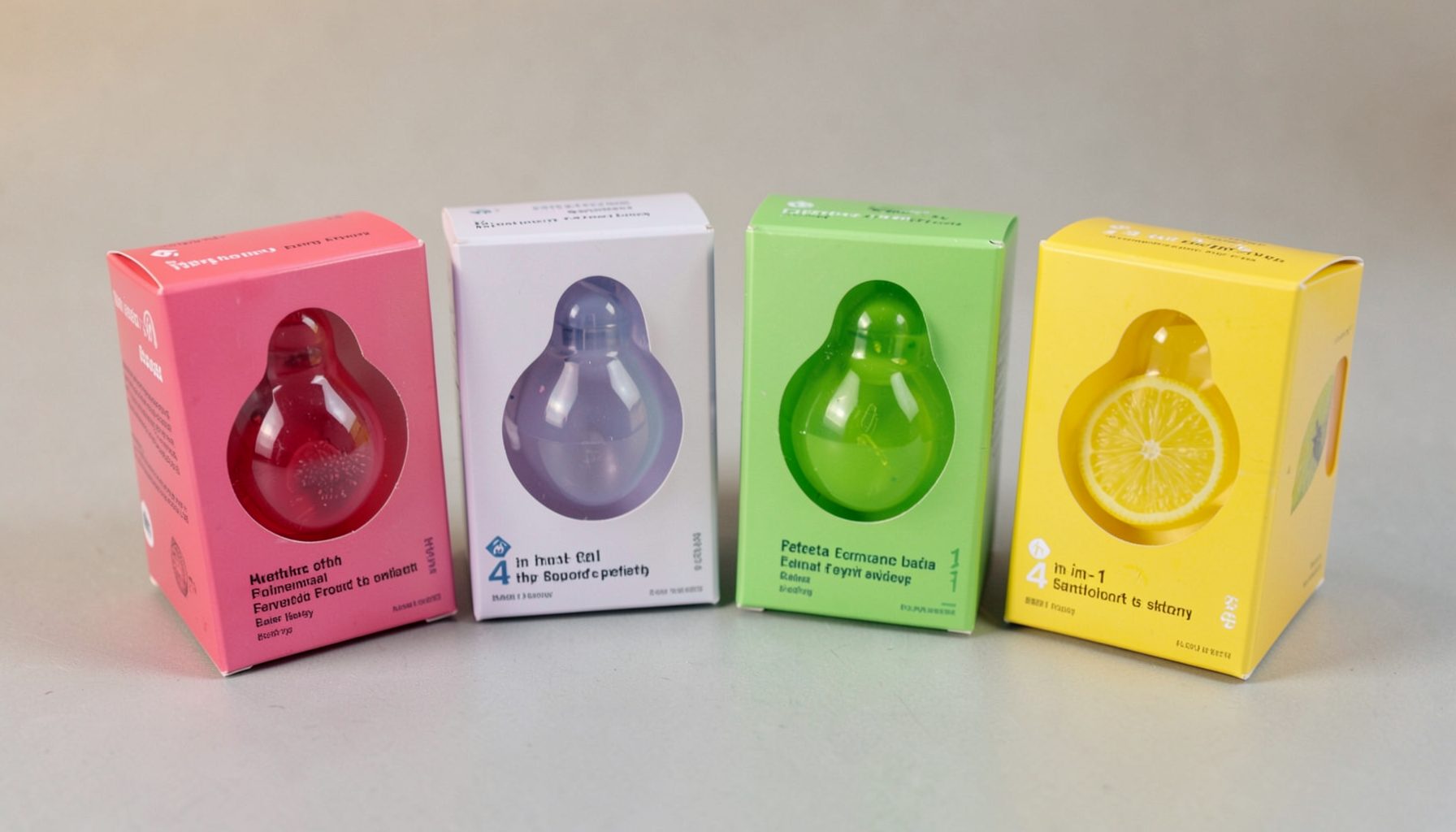
Genuine packaging should provide clear information about the product, batch details, nicotine content, warnings, and manufacturer or distributor information. Lost Mary Pro explains its product categories and available ranges through product information, which can help you compare devices without relying only on a flavour name or a photograph.
Match Strength With Your Daily Pattern
Someone who smokes only occasionally may find a high-strength vape unpleasant, particularly if they take repeated puffs close together. A lower nicotine option may provide enough satisfaction for a social smoker, although nicotine tolerance varies. People who smoke several cigarettes daily often need a moderate strength to reduce the urge to keep reaching for the device.
A pack-a-day smoker, especially one who smokes soon after waking, may have a stronger nicotine dependence. A moderate-to-higher strength can feel closer to the rapid nicotine delivery they associate with cigarettes, but it should be used carefully. Headaches, nausea, dizziness, a racing heartbeat, or a harsh throat sensation can indicate that the dose or vaping frequency is too high.
The type of tobacco matters as well. Roll-your-own tobacco can encourage frequent smoking throughout the day, while strong cigarettes may create a higher tolerance. Menthol and cooling flavours can feel smoother, which sometimes makes it easier to take longer or more frequent puffs. A smooth sensation should not be mistaken for a lower nicotine dose.
| Smoking pattern | Sensible starting approach | Signs to monitor |
|---|---|---|
| Occasional or social smoker | Begin with a low strength and use sparingly | Light-headedness or little desire to vape |
| Several cigarettes per day | Consider a low-to-moderate strength | Persistent cravings or repeated puffing |
| Around a pack per day | A moderate strength may feel more satisfying | Nausea, headache, or a racing pulse |
| Strong cigarettes or early-morning smoking | Seek professional advice before choosing a higher strength | Symptoms of excess nicotine or difficulty reducing use |
| Former smoker who already vapes | Match current use rather than past cigarette count | Escalating consumption or constant vaping |
These are broad comparisons, not medical prescriptions. Australian smokers in Sydney, Melbourne, Brisbane, Perth, and elsewhere may encounter products with different labels depending on their source and legal status. If the packaging is unclear, or if you are moving from cigarettes to vaping for cessation, a pharmacist or GP can help interpret the strength more safely.
Adjust Based On How You Feel
Nicotine satisfaction is often easier to judge over several days than after a single puff. If cravings remain strong shortly after vaping, you may be using a strength that is too low, taking very short puffs, or choosing a device that does not suit your preferred draw. Increasing concentration is not the only answer; changing the device or creating a structured schedule may work better.
Signs of too much nicotine include nausea, dizziness, headache, sweating, shakiness, palpitations, and an unpleasant burning sensation in the throat. Stop using the device if these symptoms appear and seek medical help for severe or persistent reactions. Keep all vaping products away from children and pets, and avoid sharing devices because of hygiene and nicotine exposure concerns.
Australian routines can affect consumption. A long commute on Melbourne’s trains, outdoor breaks during a construction shift in Perth, or a weekend barbecue in Brisbane may lead to more automatic vaping than expected. Count how often you reach for the device across a normal day rather than judging intake by the number of cigarettes you used to smoke.
The vaping guidance available through the store’s blog can provide additional context about formats, flavours, and product use. Still, general online information cannot replace advice from a qualified Australian healthcare professional, especially for pregnant people, teenagers, people with heart conditions, or anyone taking medicines that may interact with nicotine.
A Practical Strength Matching Checklist
Start with the lowest strength likely to control cravings rather than selecting a powerful product for a stronger hit. Give yourself time to notice whether you are vaping less often, sleeping normally, and avoiding cigarette cravings. If the device causes discomfort, put it aside instead of trying to tolerate the sensation.
Use these points when comparing disposable vapes, prefilled pods, and replacement pods:
- Record how many cigarettes you smoke on a typical weekday and weekend.
- Note whether you smoke within 30 minutes of waking.
- Check whether the label states percentage, mg/mL, or total nicotine.
- Begin with a lower or moderate strength if you are an occasional smoker.
- Avoid taking continuous puffs to compensate for a strength that feels weak.
- Reduce use if you experience nausea, dizziness, headaches, or palpitations.
- Store devices securely and follow Australian disposal and pharmacy guidance.
A change in strength should be gradual and deliberate. For example, a smoker moving from strong cigarettes to a moderate pod may initially use it more often while learning the draw. Once cravings are controlled, track the number of daily sessions and consider reducing either frequency or strength, with professional support if needed.
Choose The Device As Well As The Strength
Device design changes the experience. A compact BM600 may suit someone who wants a simple, limited-capacity option, while a BM600S or BM6000 may appeal to a person who prefers longer use between replacements. Prefilled pod systems such as Tappo or TP800 products can offer a different draw and maintenance routine from disposables. These differences can affect how much nicotine you consume during each session.
Flavour can influence behaviour too. Familiar tobacco, mint, fruit, and dessert profiles may encourage different puffing patterns. A very sweet or cooling flavour can make frequent use feel easy, while a stronger throat hit may discourage long sessions. Choose a flavour that supports controlled use rather than one that makes you reach for the device automatically.
Price is another practical consideration in the Australian market, where availability and legal supply channels may vary between states and retailers. A larger device may appear cheaper per millilitre, but the calculation is meaningful only when the nicotine concentration, liquid capacity, and actual consumption are compared together. Genuine products also reduce the risk of inaccurate labels or unknown ingredients.
If you need clarification about a product’s strength, authenticity, or available documentation, use the store’s contact team rather than guessing from a box image. Keep purchase records and packaging, particularly when checking batch information or discussing a reaction with a pharmacist or doctor.
The best match is the lowest nicotine strength that controls cigarette cravings without causing unpleasant effects or encouraging constant vaping. Review your use after a week, pay attention to your body, and seek advice from an Australian pharmacist or GP when dependence feels difficult to manage. Make each product choice with the goal of reducing smoking harm and maintaining control over nicotine use.