How to identify the production date on a Lost Mary BM600 package
When picking up a disposable vape, the small printed string on the bottom of the box often gets overlooked. For Australians who rely on these compact devices for a quick nicotine hit between meetings in the Sydney CBD or during a long drive down the Pacific Motorway, knowing the manufacturing date is more than trivia. The Therapeutic Goods Administration requires that nicotine vaping products carry clear batch details, and a recent unit signals both flavour fidelity and battery reliability.
Retailers in Melbourne and Brisbane have started stocking the BM600 alongside the larger BM600S and BM6000 ranges, yet the outer sleeve still follows the same minimalist layout. Because the date code is printed rather than embossed, a quick glance under a phone torch is usually enough. Understanding what those digits mean helps separate a freshly sealed device from one that has been sitting on a warehouse shelf through a Darwin wet season.
Why the manufacturing date matters for Australian vapers
A recent batch date is the simplest way to judge the quality of a sealed disposable. E-liquid oxidises slowly once the silicone plug is exposed, and a pod that left the factory six months ago will taste flatter than one shipped last week. Battery cells also lose a small percentage of charge for every month they sit in storage, so an older unit can feel underpowered even when the e-liquid reservoir is full.
Under the TGA prescription framework that took full effect in October 2021, Australian pharmacies and authorised online sellers must keep records of every batch they dispense. Consumers benefit from this paperwork because each box carries a traceable code that can be checked against supplier manifests. Anyone who finds a code that does not match the format described later in this guide should treat the product with caution and report the listing to the ACCC if it appears to be grey-market stock.
Locating the date code on the outer sleeve
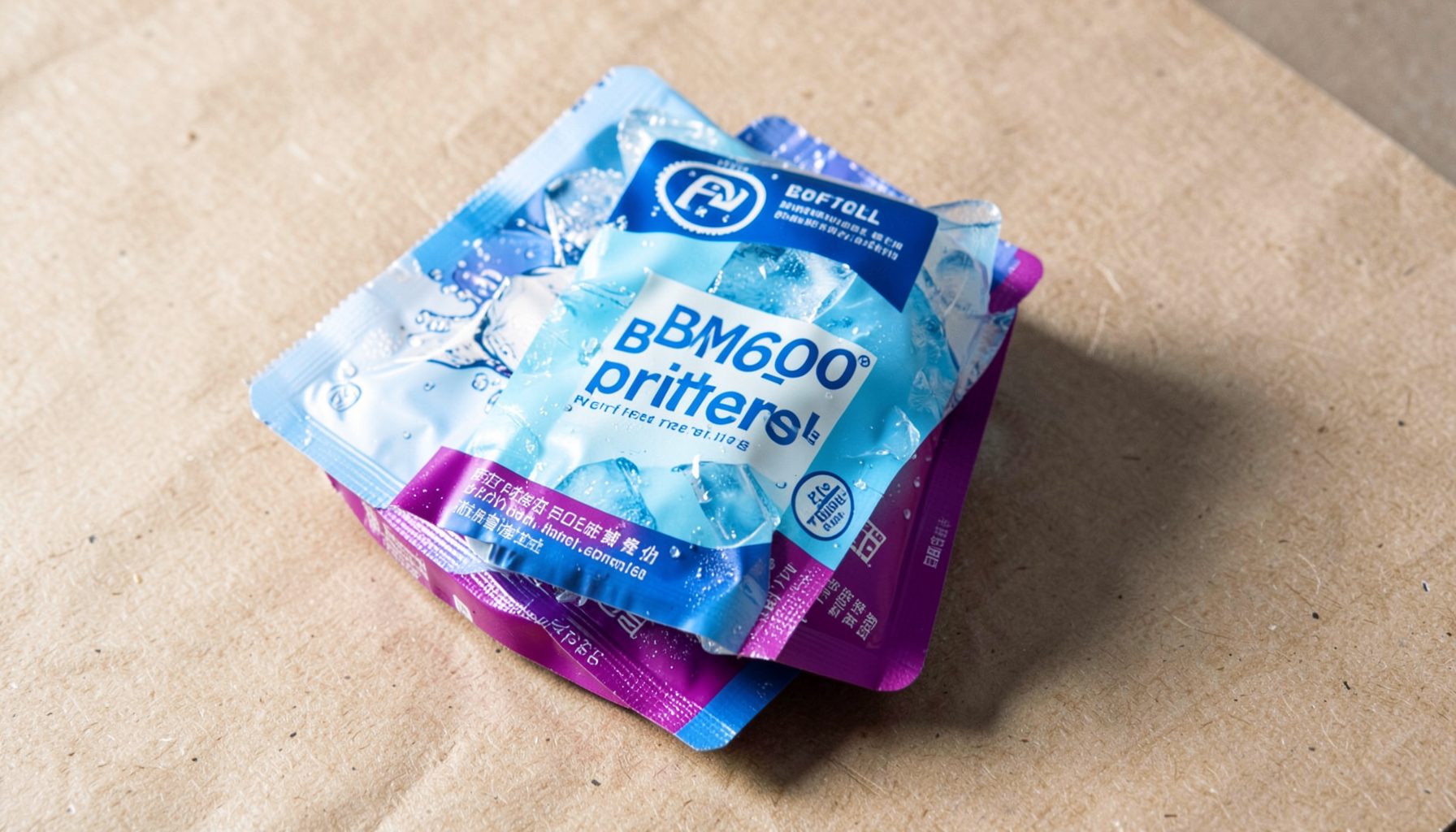
The production date on a Lost Mary BM600 sits on the back of the cardboard sleeve, just below the ingredient panel and the nicotine strength statement. It is printed in monochrome ink, which makes it blend into the matte background of the white-and-teal design. A second copy of the code is sometimes embossed on the silicone base of the device itself, visible only when the mouthpiece cover is removed.
Before reaching for the code, check that the security sticker across the side seam is intact. A torn or resealed sticker usually means the package has been opened, repacked, or swapped. Local couriers such as Australia Post and StarTrack handle the majority of BM600 deliveries, and parcels that arrive crushed in transit are not always a sign of tampering, but they do warrant a closer look at the sleeve before use.
Decoding the batch string
Lost Mary uses a six-character alphanumeric code that follows the pattern YYMMDD or a compressed variant YYDDD. The first two digits represent the year, the next two indicate either the month and day or the day-of-year, and the final digit is the production line identifier. For example, a code beginning with 2411 means the batch was filled in November 2024, while a string starting with 25283 points to the 283rd day of 2025.
Letters are occasionally inserted between the numeric groups to flag a particular factory shift or flavour run. A small magnifying app on a smartphone camera works well for reading the tiny font, especially when the box is held at a shallow angle under a desk lamp. If the characters look smudged, resist the temptation to guess, as a single misread month can put the unit four seasons out of date.
Mistakes that lead to a misread
The most common slip-up is treating the batch code as the expiry date. Lost Mary prints a separate best-before date elsewhere on the sleeve, usually in a DD/MM/YYYY format. Confusing the two leads buyers to believe they have a much older unit than they actually do, or to discard a perfectly fresh device.
Another pitfall is reading the code upside down. The matte finish makes mirrored digits look almost identical, and the letters B and D can be swapped when the box is rotated. Take a photo, flip it on the screen, and confirm the string in both orientations before drawing any conclusions. If the device fails to fire even when the date checks out, the non-firing TP800 troubleshooting guide covers related hardware faults that occasionally show up across the brand.
Climate and storage across the country
Australia stretches across several climate zones, and each one shortens the shelf life of a BM600 in a different way. In Perth and Adelaide, summer temperatures regularly climb above 40 °C, which can thin the e-liquid and cause minor leaks from the mouthpiece. Vapers in Cairns and Townsville face the opposite problem: humidity seeps into the cardboard sleeve and slowly degrades the printed date code, making it harder to verify freshness months later.
The safest storage spot in any Australian home is a drawer away from direct sunlight, ideally in a climate-controlled room that stays below 25 °C. Avoid leaving spare units in the glovebox of a car parked at Westfield, or in a beach bag during a day at Bondi. Heat and UV exposure are the two factors that age a sealed disposable the fastest, and both are abundant across the country between November and February.
Comparing date markers across BM600, BM600S, and BM6000
The three core ranges share a coding standard, yet there are small differences in where the string sits and how detailed it is. The table below breaks down the variations worth knowing before placing an order.
| Feature | BM600 | BM600S | BM6000 |
|---|---|---|---|
| Code length | 6 characters | 6 characters | 8 characters |
| Code location | Back of sleeve | Back of sleeve | Back of sleeve and base |
| Date format | YYMMDD | YYDDD + line | YYMM + batch run |
| Best-before printed | Yes | Yes | Yes |
| Nicotine strength listed | 20 mg/mL | 20 mg/mL | 20 mg/mL |
| Typical puff count | 600 | 600 | 6000 |
The BM6000 is the only range that adds two extra characters for the production run, which lets you identify a specific flavour batch when reporting a quality issue. Smaller units follow the shorter six-character string that has been in place since the range first launched.
Habits that keep every batch traceable
- Photograph the date code before opening the sleeve, so the reference is never lost once the box is discarded.
- Store the photo in a dedicated album on your phone, sorted by month for quick spot checks.
- Write the purchase date on a small sticker and stick it to the device base, especially when buying multiple units at once.
- Keep spare BM600s in a cool drawer rather than a hot car, since heat is the fastest accelerator of e-liquid breakdown.
- Compare the best-before stamp with the production date; a healthy gap is at least twelve months.
- Avoid boxes where the security sticker has been cut and resealed, even if the date code looks fresh.
- Buy from sellers who publish batch details on the product page, which is a sign of accountable sourcing.
Build a simple spreadsheet or use the notes app to log the date code, flavour, and supplier for every order. Reviewing the log once a month makes it easy to spot a pattern, such as one batch arriving consistently older than the rest. The same habit works well for the larger BM6000 and BM600S units, which carry longer codes but follow the same first-two-digits logic. When the log shows a favourite running low, restocking from a fresh run of tropic-inspired blends keeps the rotation interesting.
Head to the catalogue, match the format outlined above, and add your verified device to the cart with confidence. For anyone stocking up ahead of a hot Queensland summer or a long Melbourne winter, the same inspection routine applies to every box in the delivery. A few extra seconds at the kitchen table is all it takes to confirm that the flavour, battery, and seal match the day the BM600 rolled off the production line. Vapers who switch to nicotine vapes under a valid Australian prescription deserve stock that respects every printed digit on the sleeve, and treating the date code as a small piece of evidence makes the rest of the routine fall neatly into place.