How to Check the Authenticity of Your Lost Mary Purchase
Buying a Lost Mary device should give you confidence about what is inside the package, how the product was made, and whether its stated nicotine strength and puff capacity are reliable. Counterfeit vapes can imitate familiar colours and logos while containing unknown ingredients, damaged batteries, or inaccurate labelling.
A careful authenticity check starts before opening the box. Look at the seller, packaging, price, batch information, and product details together rather than relying on one feature. A genuine-looking logo alone is not proof that a device came through a legitimate supply chain.
This matters in Australia, where vaping rules and nicotine requirements are tightly regulated and continue to change. Requirements can differ between New South Wales, Victoria, Queensland, Western Australia, South Australia, Tasmania, the Australian Capital Territory, and the Northern Territory. Buyers should check current TGA and state or territory health guidance before ordering or using a nicotine product.
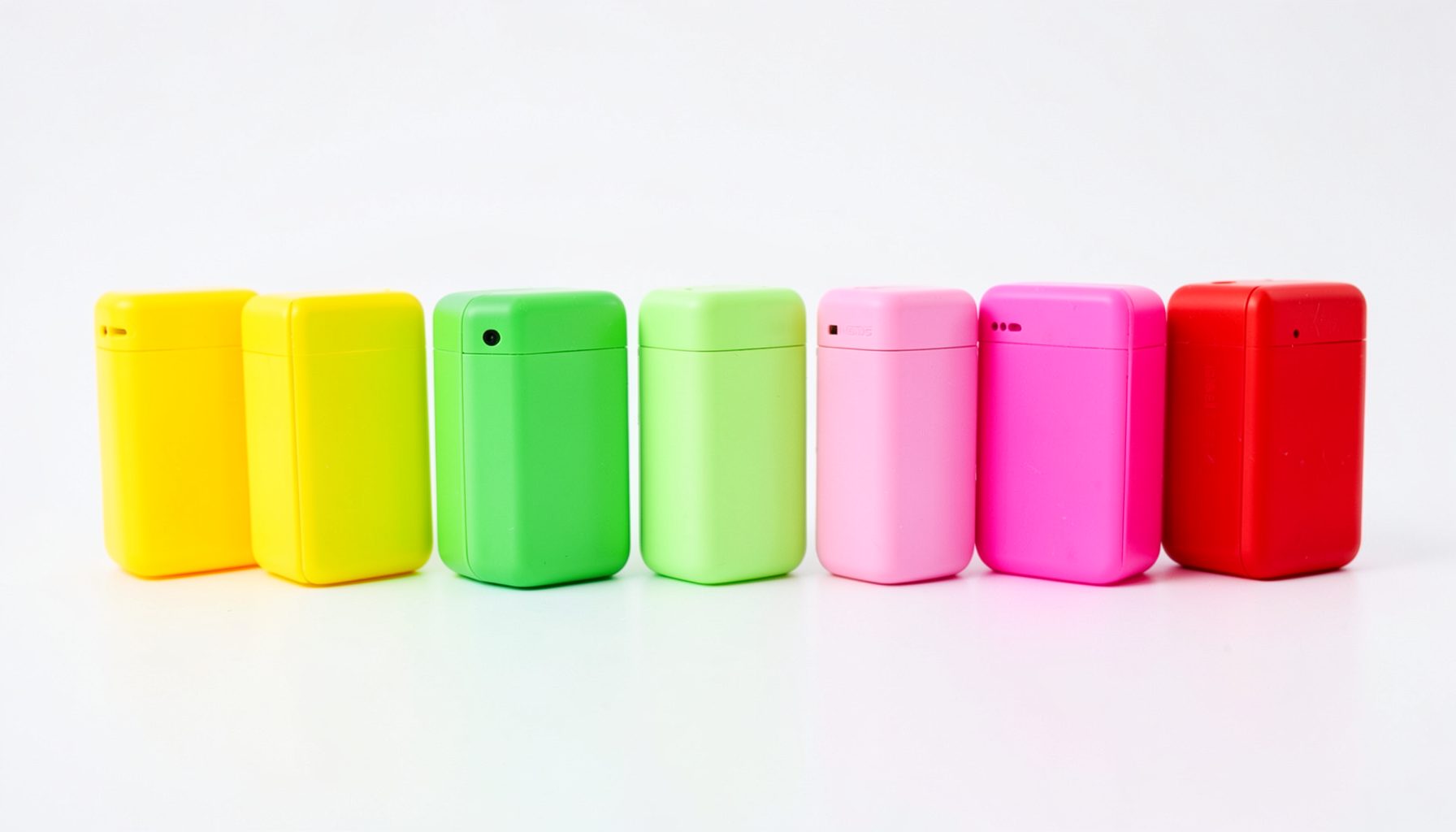
Lost Mary ranges can vary in design and specifications. BM600, BM600S, BM6000, Tappo, TP800, prefilled pods, and multi-flavour kits may have different packaging, capacity, charging features, and nicotine information. Compare the exact model rather than judging a product against a different device in the lineup.
Start with the seller and the listing
The seller is an important part of the authenticity check. A reputable online store should provide clear product names, flavour descriptions, nicotine strength, pod or e-liquid capacity, pricing, delivery information, and a way to contact the business. Vague listings that use generic photos, omit specifications, or promise unusually large quantities deserve caution.
Compare the listing with the manufacturer’s recognised product information and the details shown by the retailer. The Lost Mary range can help you check whether the model, flavour, capacity, and advertised format match a current product listing. A mismatch does not automatically prove a fake, since packaging can change, but it is a reason to pause before opening or using the device.
Be careful with marketplace sellers, social media accounts, and pop-up websites offering prices far below the usual Australian market level. A discount may reflect clearance stock, but counterfeiters also use dramatic bargains to attract quick purchases. Check the business identity, returns policy, contact details, and whether the seller appears to understand Australian nicotine and vaping requirements.
Examine the outer packaging
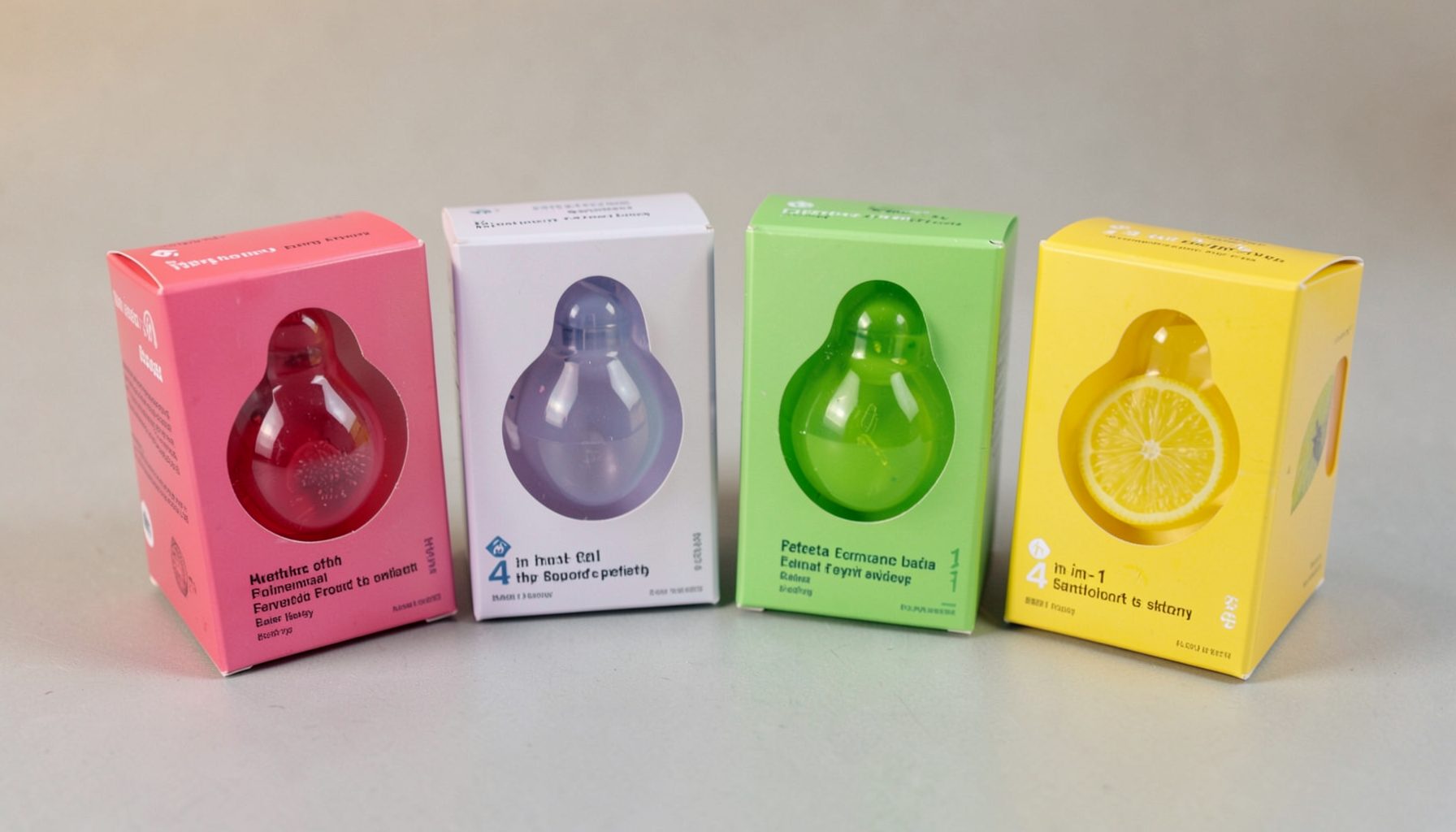
Before breaking the seal, inspect the box from every side. Printing on authentic packaging is generally sharp, aligned, and consistent, with clean colour registration and readable small text. Blurred lettering, unusual fonts, spelling errors, uneven seams, weak cardboard, or a logo that looks slightly distorted can indicate poor-quality reproduction.
Look for the product name, flavour, nicotine strength, volume or capacity, manufacturer information, batch or lot reference, barcode, and relevant warnings. A missing warning, an overprinted label, or information that conflicts across different sides of the box should be treated seriously. Australian buyers should also be alert to packaging that makes no sense for the lawful supply channel being used.
A security sticker, scratch panel, QR code, or verification number may be present, depending on the product and market. Do not assume that every genuine Lost Mary package will have the same feature. Counterfeiters can copy a QR code, and a code that leads to an unfamiliar domain, a broken page, or a generic form is not reassuring.
Verify codes and product details
If the packaging includes an authenticity code, enter it carefully through the verification method associated with the brand or authorised retailer. Confirm that the page uses secure web addressing, identifies the correct product, and does not ask for unnecessary personal information. Take a screenshot of the result and keep the box until you are satisfied that the purchase is genuine.
A code that has already been checked many times, returns a different model, or reports an invalid result deserves further investigation. Avoid repeatedly guessing codes or using random “verification” websites found through advertisements. When the result is unclear, contact the retailer or the brand’s official support channel with photographs of the box, code, barcode, and receipt.
Product specifications should also line up. For example, a BM600S should not be labelled with the capacity or design of a BM6000, and a Tappo replacement pod should fit the relevant device family rather than a completely different system. Compare the stated puff count, pod capacity, charging arrangement, and nicotine strength with the exact model, since these details can vary across regions and revisions.
Inspect the device before use
After opening the package, check the device for physical quality. The mouthpiece should be seated evenly, the casing should not be cracked, and the printed branding should look clean. A disposable vape or pod device that arrives wet, sticky, dented, unusually light, or loose inside its packaging may have been damaged, refilled, opened, or poorly manufactured.
Do not use a device with a swollen body, leaking liquid, burnt odour, exposed wiring, a damaged charging port, or signs of overheating. Keep it away from children and pets, and do not attempt to repair or refill a sealed disposable product. Lithium batteries can create a fire risk when crushed, punctured, shorted, or charged with unsuitable equipment.
The flavour and vapour experience can provide another warning sign, although they cannot prove authenticity. A harsh chemical taste, very weak flavour, immediate burnt sensation, leaking pod, or unexpectedly rapid depletion may point to a faulty or counterfeit item. Stop using it if anything seems abnormal rather than trying to finish the liquid.
Check nicotine and Australian requirements
Nicotine information deserves particular attention. The strength printed on the box should match the product listing and the device or pod label. In Australia, nicotine vaping products sit within a medical and regulatory framework, and lawful access, importation, supply, advertising, and possession requirements can depend on current federal rules and state or territory law.
Rules also affect how products may be supplied to consumers. A purchase that arrives with foreign-only labelling, missing health information, or no clear lawful supply pathway should be checked before use. Requirements can change, so consult the Therapeutic Goods Administration and your state or territory health department rather than relying on an old social media post or advice from a seller.
Local habits can create extra risks. A parcel delivered to an apartment in Melbourne, a share house in Brisbane, or a workplace in Sydney may be opened around other people, including children. Store nicotine products securely, keep them in their original packaging, and dispose of used devices through suitable battery or e-waste channels instead of placing lithium devices in household rubbish.
Compare the contents with your order
Match every item against your invoice. Check the number of devices or pods, the selected flavours, nicotine strength, model name, and any advertised kit contents. A genuine package can still be the wrong item, short-shipped, or damaged in transit, so authenticity and order accuracy should be recorded separately.
Take clear photographs before discarding packaging. Include the front and back of the box, batch details, barcode, security code, device, pod connection, and any damage. Keep your order confirmation, payment record, delivery label, and correspondence with the seller. These records make a refund, replacement, or safety report much easier.
Flavour names can be especially confusing when a product is sold in a seasonal or mixed pack. Compare the exact names and descriptions rather than assuming similar fruit or ice names refer to the same formulation. You can review the retailer’s summer flavour guide when checking whether a flavour description matches the product you received.
Respond to warning signs
If the packaging, code, specifications, or device condition raises doubts, stop using the product and isolate it safely. Do not give a questionable vape to someone else, pour its liquid into another device, or throw a potentially damaged battery into a regular bin. If liquid has leaked onto skin, wash the area promptly; if nicotine exposure causes concerning symptoms, contact the Poisons Information Centre on 13 11 26 in Australia or seek urgent medical help.
Contact the retailer with your order number and photographs, explaining the specific mismatch rather than simply saying the product feels different. Ask for a written response about authenticity, batch information, and the available refund or replacement process. If the seller cannot be reached or dismisses credible safety concerns, retain all evidence and consider reporting the matter to the relevant Australian consumer, health, or product-safety authority.
For questions about a product listing, verification result, or suspected counterfeit item, use the retailer’s support team and provide complete details. Do not send away the package until you have documented it, and do not share an authenticity code publicly where another person could reuse it.
A trustworthy purchase should withstand a methodical check: credible seller, consistent packaging, valid product information, safe physical condition, and lawful Australian supply details. Make those checks before use, keep nicotine products secured, and choose the safest option when evidence remains unclear.