Can you refill a Lost Mary disposable? Myths and facts
Walk into any tobacconist in Parramatta or order online from Brisbane, and the same question keeps surfacing in forums: can you crack open a Lost Mary and top it up once the juice runs out? With disposables now sitting next to the ciggies behind the counter, the curiosity is hardly surprising, especially when prices keep climbing and housemates keep borrowing your last one.
Australia handles vaping differently to most English-speaking markets. Since 2024, nicotine vapes have been prescription-only, and disposables without a script sit in a grey zone that confuses plenty of adult smokers trying to switch. Lost Mary Pro ships genuine devices and accessories to Australian adults, which is why the refill question deserves a straight answer rather than a copied forum reply.
Below is a clear look at how these devices are built, why the refill hack keeps doing the rounds, and what really happens when someone pulls out a paperclip and gets to work. There are safer options for anyone who wants a longer-lasting setup, and they are worth knowing.
How a Lost Mary disposable is actually built
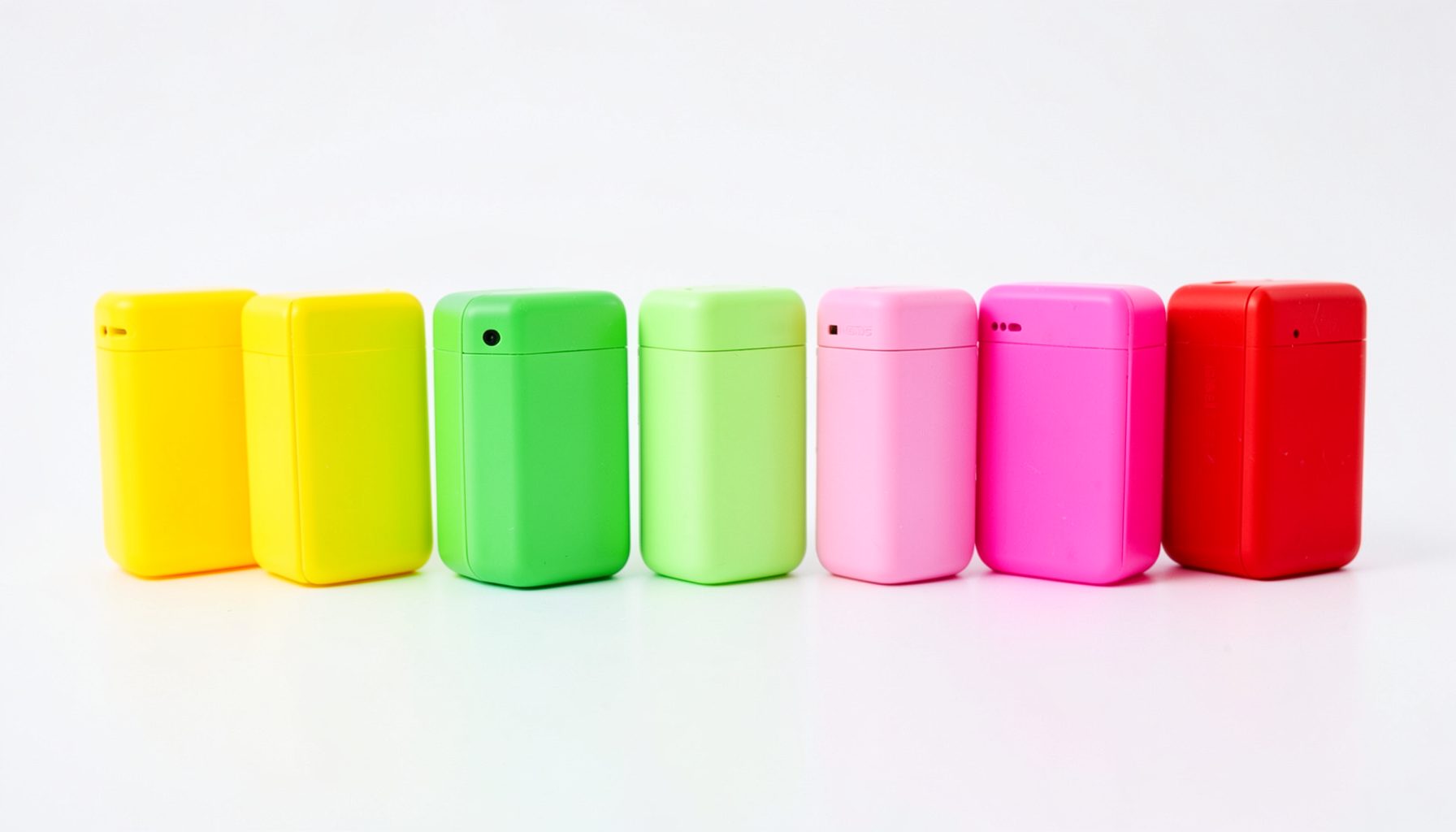
The BM600, BM600S and BM6000 ranges look like simple plastic sticks, but inside each one sits a sealed assembly with little in common with a refillable tank. A lithium-ion cell powers an integrated mesh coil pressed against a factory-filled pod holding anywhere from a couple of millilitres up to ten, depending on the model. There is no fill port, no removable pod, and no way to reach the wick without breaking the outer shell.
The shells are ultrasonically welded or snapped together at the factory. That bond keeps the e-liquid away from the battery and the airflow sensor, and it is what the Therapeutic Goods Administration looks at when devices are submitted for Australian approval. Pulling it apart voids the safety engineering that made the unit legal to sell. For a closer look at one of the most popular models, the BM600S draw activation review walks through how the firing system responds in everyday use.
The BM600 is a fixed-puff compact, the BM600S adds adjustable airflow on some batches, and the BM6000 stretches to thousands of puffs. All three share the same single-use design philosophy, just stretched to different capacities.
Why vapers still try to pry them open
Cost is the obvious driver. When a single unit runs out after a few days of solid use, it stings a bit, particularly for tradies in Perth or students in Melbourne watching every dollar stretch. Environmental guilt runs a close second, with people pointing at the waste stream and wondering why a perfectly good battery and coil have to go in the bin.
Social media has also turned it into a spectator sport. Short videos showing someone drilling a fill hole, dripper-bottling in some juice, and reassembling the device have racked up millions of views. They make the process look quick and risk-free, which is the opposite of what tends to happen in real life. The Australian instinct of "she'll be right" has rarely felt less appropriate than when a mate hands you a refilled unit with a dodgy seal and a half-charged cell.
Much of the curiosity also comes from former smokers who remember tank mods where topping up was part of the routine. Transferring that habit to a sealed device is a fair mistake, but it is a mistake all the same.
The most common myths about topping them up
The first myth is that you can simply pop the base off, drip in a few drops of freebase liquid, and carry on. In practice the fill port does not exist, so any liquid you add pools around the coil leads or runs down into the battery housing. That is not a refill, it is a spill in a place that contains a live circuit.
The second myth is that any e-liquid will do. Lost Mary disposables are filled with specific nicotine salt formulations, usually between 20 and 50 mg/mL. Pouring in a 3 mg shortfill or a different flavour profile changes the resistance the coil was designed for and pushes the wick past what it was tested to absorb. The result is a burnt taste within a handful of puffs and a coil that will not recover.
The third myth is that the battery and sensor will keep working as normal. The draw sensor is calibrated to the airflow geometry of the original shell. Once the housing is bent or drilled, that calibration is gone, and the device tends to either auto-fire or refuse to fire at all. Neither outcome is pleasant, and one of them is genuinely dangerous.
What actually happens when you crack one open
Leaking is the immediate problem. Without the factory seal, e-liquid finds its way into gaps it was never meant to reach. You might see it weeping from the mouthpiece, pooling in the base, or seeping toward the USB-C port on chargeable disposables. Every one of those leak paths is a path to the battery.
Short circuits follow close behind. Nicotine salts are mildly conductive, and the moment that liquid touches the cell terminals or the sensor board, the device can either cut out completely or, in rare cases, get hot enough to vent. Fires and thermal runaway in lithium cells are rare but not unheard of, and they tend to happen when a sealed cell is physically damaged and exposed to moisture at the same time.
Flavour and vapour production also take a nosedive. Even if the device keeps firing, the wick is usually oversaturated or torn during the refill attempt. What you get is a muted, sometimes chemical taste, a weak throat hit, and very little of the smooth draw that made the original flavour worth buying. The few dollars saved tend to disappear into a device that gets thrown out a day later anyway.
Australian rules worth knowing
Australia tightened vape laws in 2024, and the rules have continued to evolve through 2025. Nicotine vapes, including disposables, are now prescription-only, which means they should be supplied through a pharmacy or an authorised retailer with a valid script. Devices sold without nicotine, or sold by overseas-based online stores, sit in a different category, and that is where most of the confusion kicks in.
For adults looking for a hassle-free option, buying from an Australian-facing store that clearly explains what is and is not legal makes a real difference. The brand's about page walks through genuine stock, age verification and shipping within local rules, which is worth a read before ordering.
There is also a disposal side to consider. Lithium batteries and nicotine-contaminated plastic should not go in the kerbside bin. Most council-run household chemical collections in cities like Adelaide, Hobart and the Gold Coast will accept them, and several retailers offer take-back programs. Refilling might feel like it reduces waste, but a properly recycled original has a smaller footprint than a hacked-together unit that ends up in landfill early.
Better paths if you want a refillable setup
If the appeal of refilling is mainly about saving money, the simplest step up is a prefilled pod system. Devices like the Tappo range use sealed pods that snap into a rechargeable battery. You still get the convenience of swapping flavours without spilling, and the battery lasts through multiple pods before it needs replacing. The TP800 line takes a similar approach with a slightly larger capacity for heavier users.
For people who genuinely enjoy tinkering, a proper refillable pod kit opens up any e-liquid at any strength, with replaceable coils and a battery you charge rather than bin. There is a small learning curve, but the long-term cost per day drops sharply, and the waste stream shrinks with it. Many Australian vapers treat this as a once-off upgrade rather than a hobby.
Whichever path you pick, stick with genuine stock from a reputable seller. Counterfeit disposables are a known issue in the Australian market, and they are the ones most likely to fail, leak or behave unpredictably. When you are ready to stock up, the store's cart makes it easy to grab a fresh BM600, BM600S or BM6000 alongside any replacement pods, all in one order.
If cost or convenience is the main driver, a prefilled pod kit or a refillable setup will almost always work out cheaper per day than cracking open a fresh disposable. Genuine stock is also far less likely to leak, fire, or trigger a recall headache down the track. Take a look at the full range, read up on the rules, and pick a path that suits your routine and your wallet.